
Indian Diabetic Recipes for Lunch

Midday meals can be one of the trickiest parts of managing diabetes. A heavy lunch can cause sudden blood sugar spikes, while a light or poorly balanced one often leads to hunger and fatigue soon after. Indian diabetic recipes for lunch, when planned with care and following the science of food for diabetes patient in India, rely on familiar ingredients, simple home-style cooking, and balanced portions that support steady glucose levels without taking the joy out of eating.

Lunch for Diabetics Indian

A well-balanced lunch for diabetics, Indian style includes slow-digesting carbs, enough protein, and plenty of fibre-rich vegetables. This combination helps maintain stable blood glucose and gives you steady energy through the day.

Ideal Lunch Plate for Diabetes Meal Planning

  • Whole grains like brown rice, millets, quinoa, or broken wheat
  • 1–2 cups of non-starchy vegetables
  • Protein from dal, paneer, legumes, sprouts, eggs, or fish
  • Minimal oil, low salt, and zero refined sugar

Best Diabetic-Friendly Grains

  • Millets, quinoa, brown rice, broken wheat, rolled oats, whole wheat rotis.

Best Vegetables for Diabetic Lunch

  • Lauki, spinach, methi, beans, cabbage, cauliflower, bhindi, karela, tomatoes, cucumbers. 

Indian Diabetic Main Course Lunch Recipes

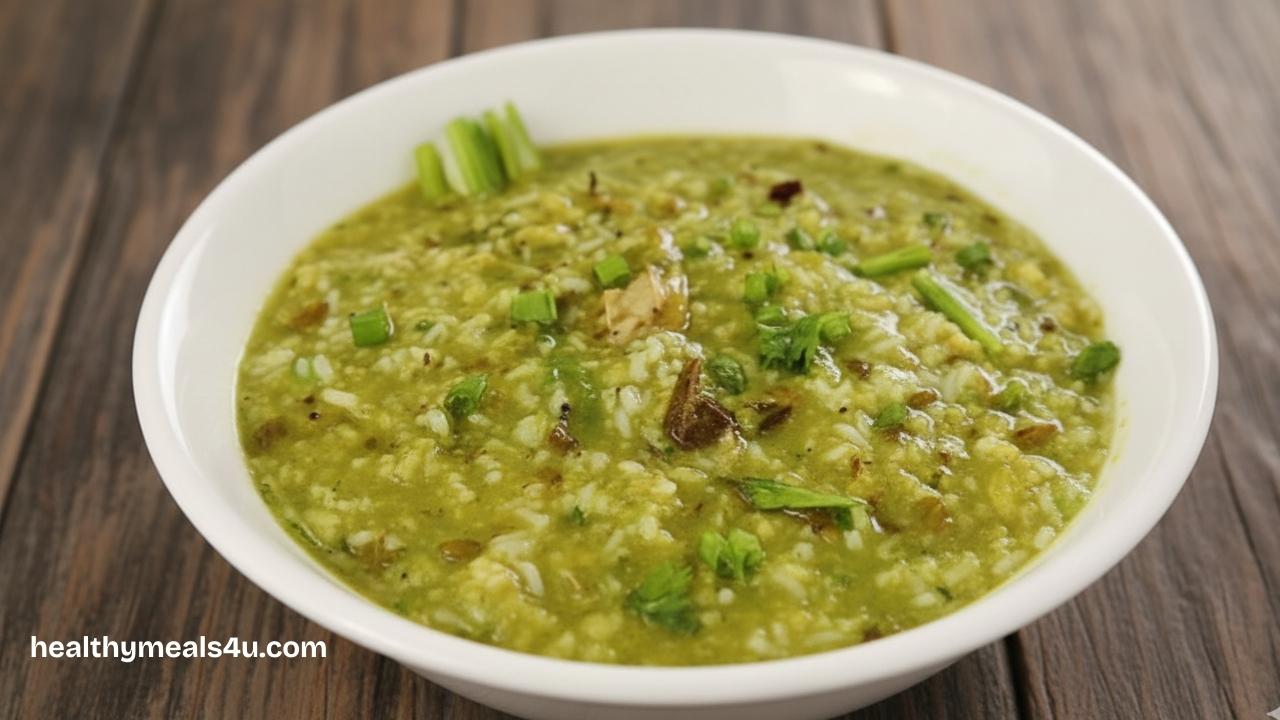
Green Moong Dal Khichdi

Green Moong Dal Khichdi

Prep Time 10 minutes
Cook Time 20 minutes
Total Time 30 minutes
Servings: 3
Course: Main Course
Cuisine: Indian
Calories: 350
Ingredients
  
  • 1 cup green moong dal
  • ½ cup brown rice optional
  • 1 tsp cumin seeds
  • Pinch of hing
  • 1 tsp grated ginger
  • 2 green chillies
  • ½ tsp turmeric
  • Salt to taste
  • 1 tbsp ghee or 1 tsp oil
  • 4 cups water
  • Coriander for garnish
Method
 
  1. Wash dal and rice. Soak them for 15–20 minutes for better digestion which is completely optional.
  2. Add dal, rice, turmeric, one and a half cup of water. into a pressure cooker.
  3. Pressure cook for 20 minutes (2–3 whistles) or simmer in a pot until soft.
  4. Heat ghee/oil in a pan. Add cumin, let it crackle. Add hing, ginger, and chillies. Sauté them for 1 minute.
  5. Open the cooker after 10 minutes or precisely when the pressure settles. Add the above item into them.
  6. Add salt to taste and hot water according to your consistency preference.
  7. Garnish with coriander and a few drops of ghee if you like.

A light, nourishing khichdi that’s easy to digest and naturally high in protein and fibre. Moong dal offers slow-digesting protein and fibre, helping prevent sugar spikes. The dish is easy on the stomach and keeps you full without weighing you down. You can use red matta rice in limited portions, little millet, broken wheat or quinoa instead of brown rice.
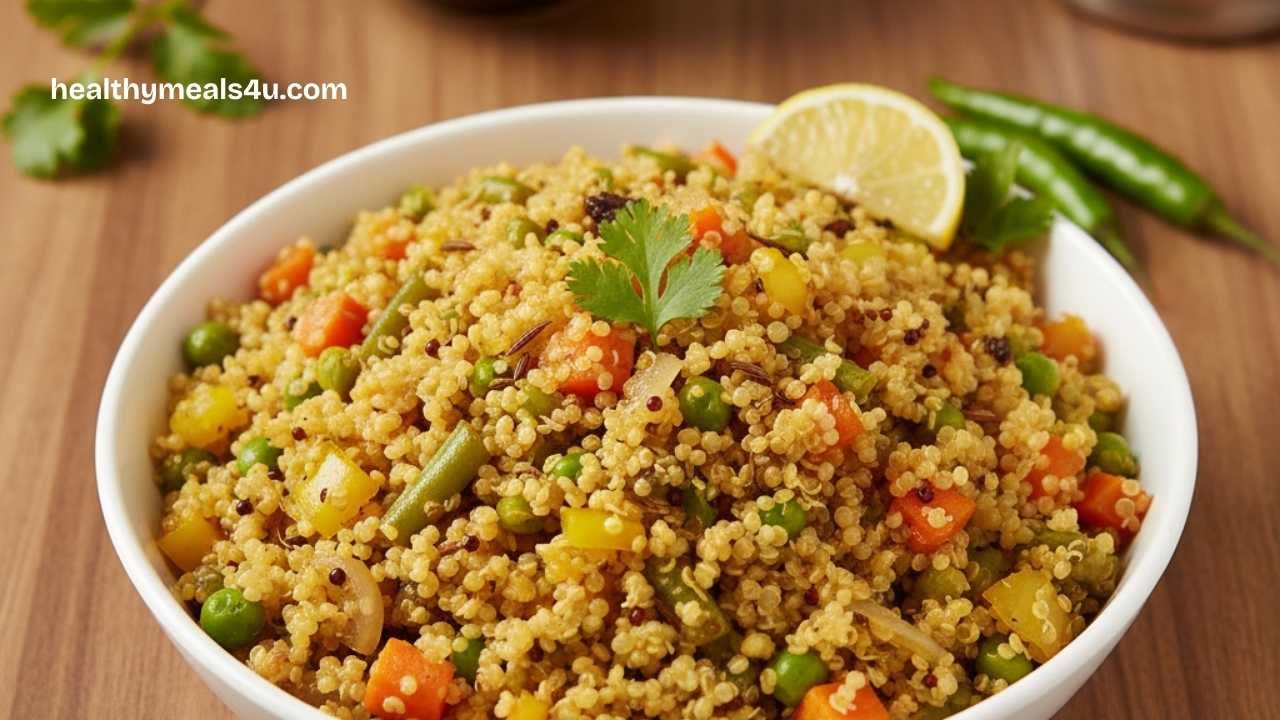
Quinoa Pulao

Quinoa Pulao

Prep Time 10 minutes
Cook Time 15 minutes
Total Time 25 minutes
Servings: 3
Course: Main Course
Cuisine: Indian
Calories: 280
Ingredients
  
  • 1 cup quinoa rinsed
  • 1 cup mixed vegetables peas, carrot, and your preferences
  • 1 tsp oil olive oil
  • ½ tsp cumin
  • Pinch of hing
  • 1 small onion chopped
  • 1 tsp ginger-garlic paste
  • ¼ teaspoon Turmeric, cumin powder, coriander powder
  • Salt to taste
  • 2 cups water
  • Coriander for garnish
Method
 
  1. Rinse quinoa to remove bitterness.
  2. Heat oil in a pan. Add cumin, hing, onion, and ginger-garlic into the pan. Sauté until they turn translucent.
  3. Add vegetables and spices. Sauté them for 2–3 minutes.
  4. Add quinoa and water.
  5. Cook them until it turns fluffy — 12–15 mins on stove, or 1 whistle in cooker.
  6. Fluff with a fork and garnish with coriander.

A wholesome alternative to rice pulao with added protein and fibre. Quinoa has a lower glycemic load than rice and provides protein + fibre for slower glucose release.
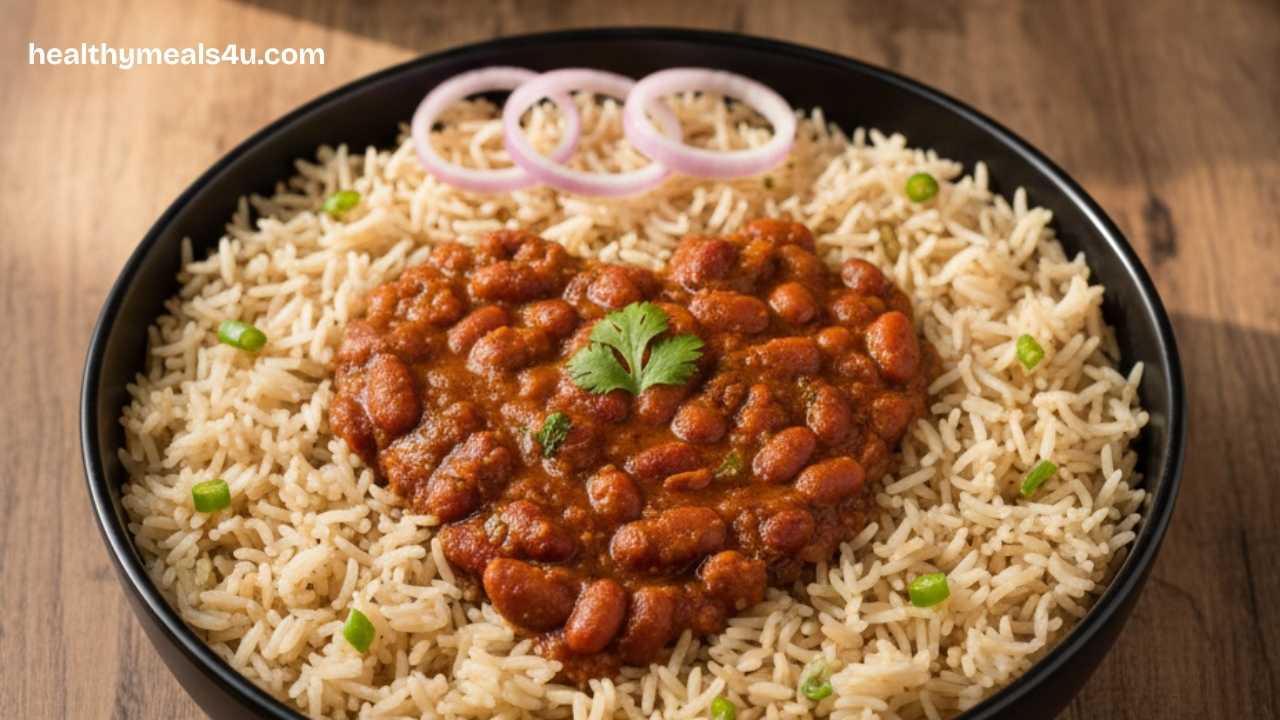
 

Rajma Rice Bowl

Rajma Rice Bowl

Prep Time 15 minutes
Cook Time 25 minutes
Total Time 40 minutes
Servings: 2
Course: Main Course
Cuisine: Indian
Calories: 350
Ingredients
  
  • 1 cup cooked rajma
  • ½ cup brown rice
  • 1 medium-sized onion
  • 1 medium-sized tomato
  • 1 tsp oil/ghee
  • ¼ tsp Cumin hing
  • ¼ tsp Turmeric powder
  • ½ tsp chilli powder
  • 1 tsp coriander powder
  • Salt enough to taste
  • ginger-garlic paste
  • Coriander
Method
 
  1. Soak rajma overnight for atleast 8 hours. Drain the water for better digestion.
  2. Pressure cook the kidney beans (rajma) for 15 to 20 mintes until they turn out soft (or use canned).
  3. Heat oil in a pan. Add cumin and hing. let it splutter.
  4. Sauté onion, then ginger-garlic in the pan.
  5. Add tomato into it and cook until soft.
  6. Add spices and rajma. Simmer 5 minutes.
  7. Cook brown rice separately.
  8. Serve rajma over brown rice and garnish

A protein-rich, comforting bowl ideal for a filling diabetic lunch. Rajma’s soluble fibre and protein help control glucose release and improve satiety. Paired with brown rice, it becomes a nutrient-dense lunch bowl.
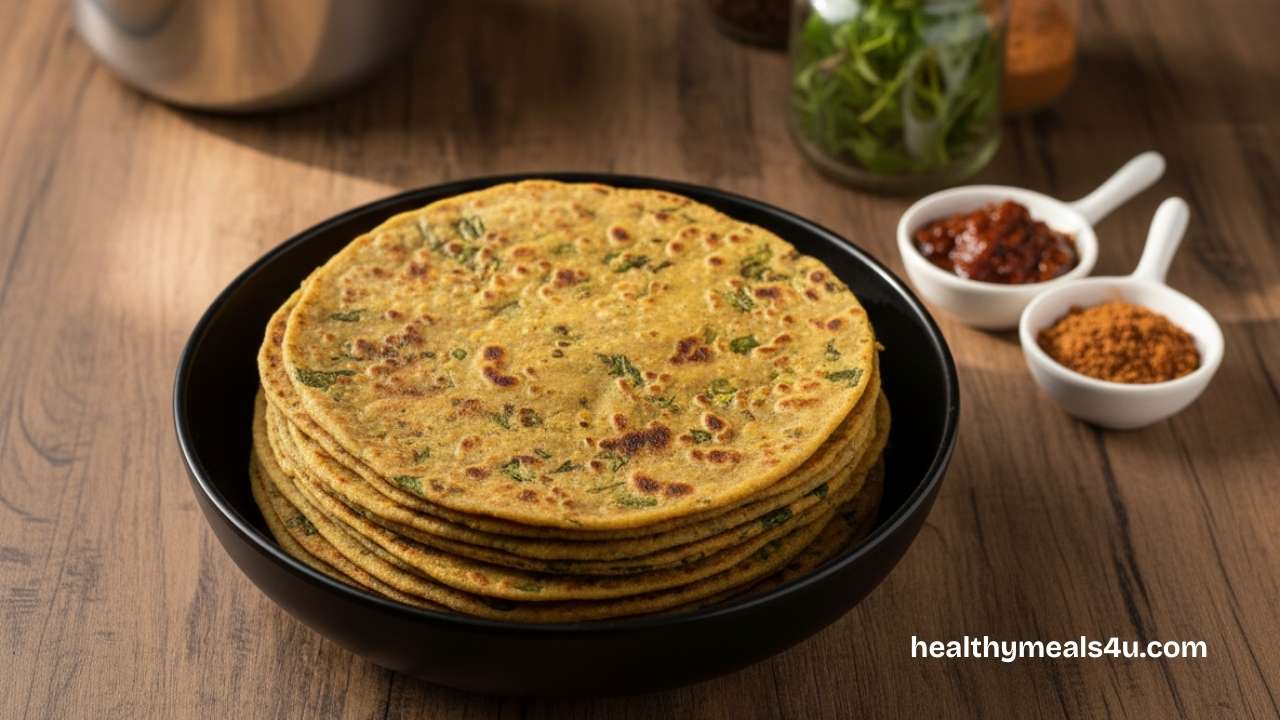
 

Methi Ke Thepla

Prep Time 15 minutes
Cook Time 15 minutes
Total Time 30 minutes
Servings: 4
Course: Breakfast, Main Course
Cuisine: Indian
Calories: 220
Ingredients
  
  • 1 cup whole wheat flour or atta
  • 1 cup fresh methi fenugreek leaves — washed and finely chopped
  • ½ tsp turmeric powder
  • ½ tsp red chili powder optional
  • ½ tsp coriander powder
  • ½ tsp cumin powder
  • Salt to taste
  • 2 tsp oil plus extra for cooking
  • Water as needed to knead dough
  • 1 small handful finely chopped coriander leaves Optional
Method
 
  1. In a mixing bowl, combine whole wheat flour, chopped methi leaves, spices (turmeric, red chili, coriander, cumin), salt, and oil.
  2. Add water gradually and knead into a soft but firm dough. Let it rest for 5–10 minutes.
  3. Divide dough into 6–8 equal portions. Roll out each portion into a medium-thin circle (thepla).
  4. Heat a tawa (griddle). Place a rolled thepla on it. Cook for 30–45 seconds, flip, apply a few drops of oil on the half-cooked side, cook until golden brown spots appear on both sides. Repeat for all theplas.
  5. Serve hot with yogurt, salad, or a light sabzi.

An excellent, travel-friendly, fiber-rich substitute for roti that goes well with yoghurt and vegetable curry. Methi supports blood sugar balance, and whole wheat offers complex carbs instead of refined flour.
Diabetic-Friendly Side Dishes for Lunch

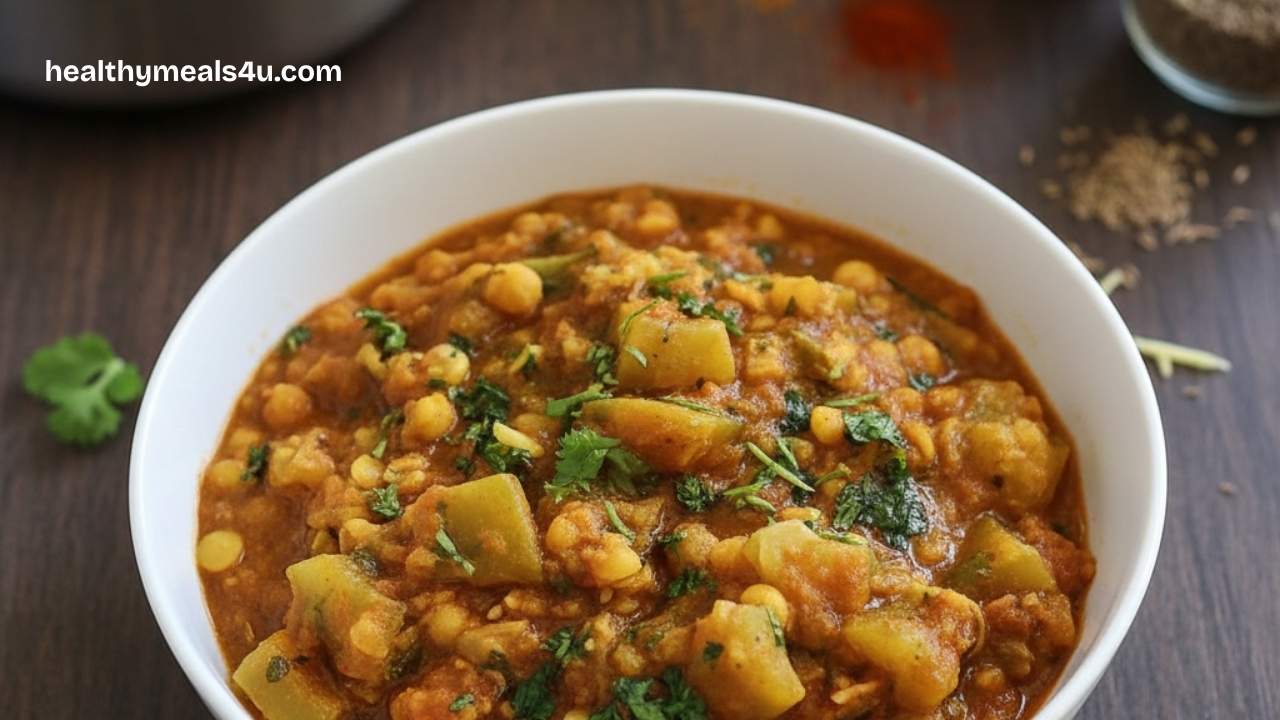
lauki ki sabzi

Lauki ki Dal

Prep Time 10 minutes
Cook Time 20 minutes
Total Time 30 minutes
Servings: 3
Course: Side Dish
Cuisine: Indian
Calories: 180
Ingredients
  
  • 1 small to medium lauki or bottle gourd peeled and chopped into small cubes
  • ½ cup split moong dal washed
  • 1 tsp oil
  • 1 tsp cumin seeds
  • ¼ tsp asafoetida hing — optional
  • 1 small onion finely chopped
  • 1 small tomato chopped
  • 1 tsp grated ginger optional
  • ½ tsp turmeric powder
  • ½ tsp red chili powder optional
  • Salt to taste
  • 3 cups water or as needed
  • Fresh coriander for garnish
Method
 
  1. In a pot, combine chopped lauki, moong dal, water, turmeric, and salt — bring to a boil, then simmer until both dal and lauki are soft (about 15-20 minutes).
  2. In a separate small pan, heat oil, add cumin seeds and asafoetida; once they crackle, add chopped onion (and ginger) and sauté until the onion turns translucent. Add tomato and red chilli powder; cook until tomato softens.
  3. Pour this tempering (tadka) into the cooked dal-lauki mixture. Mix gently. Simmer for another 2 minutes so flavours blend.
  4. Garnish with fresh coriander. Serve warm.

A light, hydrating dal perfect for pairing with theplas or quinoa. Low-carb lauki + protein-rich dal make this a gentle, low-GI combination.
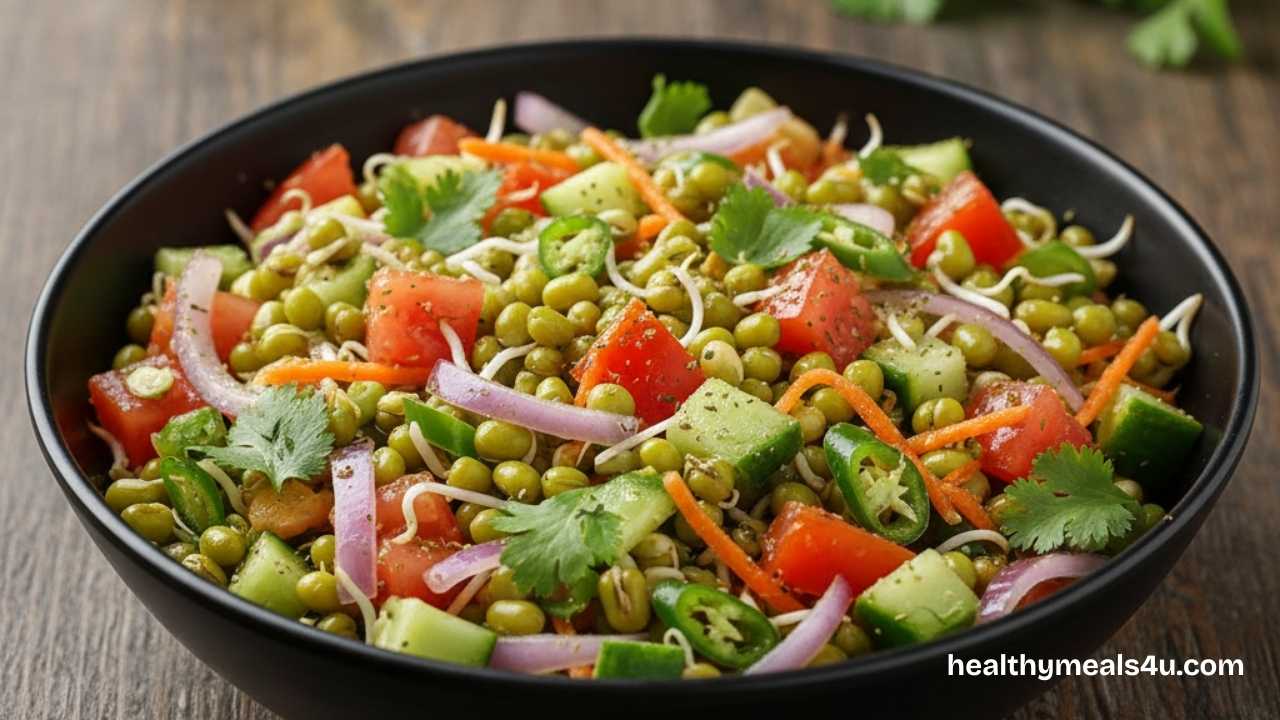
Moong Dal Salad

Moong Dal Salad

Prep Time 10 minutes
Cook Time 20 minutes
Total Time 30 minutes
Servings: 2
Course: Salad, Side Dish
Cuisine: Indian
Calories: 57
Ingredients
  
  • ½ cup Sprouted Moong Beans or cooked and cooled moong dal
  • ½ Small cucumber chopped
  • ½ Medium tomato chopped
  • 1 Small onion finely chopped
  • 1 Small capsicum optional — chopped
  • Fresh coriander leaves chopped
  • ½ Lemon Juice
  • ½ tsp Salt
  • Pepper powder adjust to taste- optional
  • 1 Green chilli Optional- chopped
  • Chaat masala a pinch- optional
  • 1 tsp olive oil for dressing- Optional
Method
 
  1. If using raw moong beans, wash and sprout until small tails appear (or use fresh sprouts). Alternatively, you can cook moong dal and cool it completely before using.
  2. In a mixing bowl, combine sprouts (or cooled dal), chopped cucumber, tomato, onion, capsicum, and coriander.
  3. Add lemon juice, salt, pepper (optional olive oil), and chaat masala (optional). Toss well.
  4. Chill briefly in the fridge if desired. Serve as a fresh, crunchy salad alongside the main meal.

Sprouts are low-glycaemic and rich in fibre, vitamins, and minerals. This salad adds freshness, fibre and protein — helps in digestion and slow glucose absorption. Light salads like these are often part of diabetic-friendly diets. 
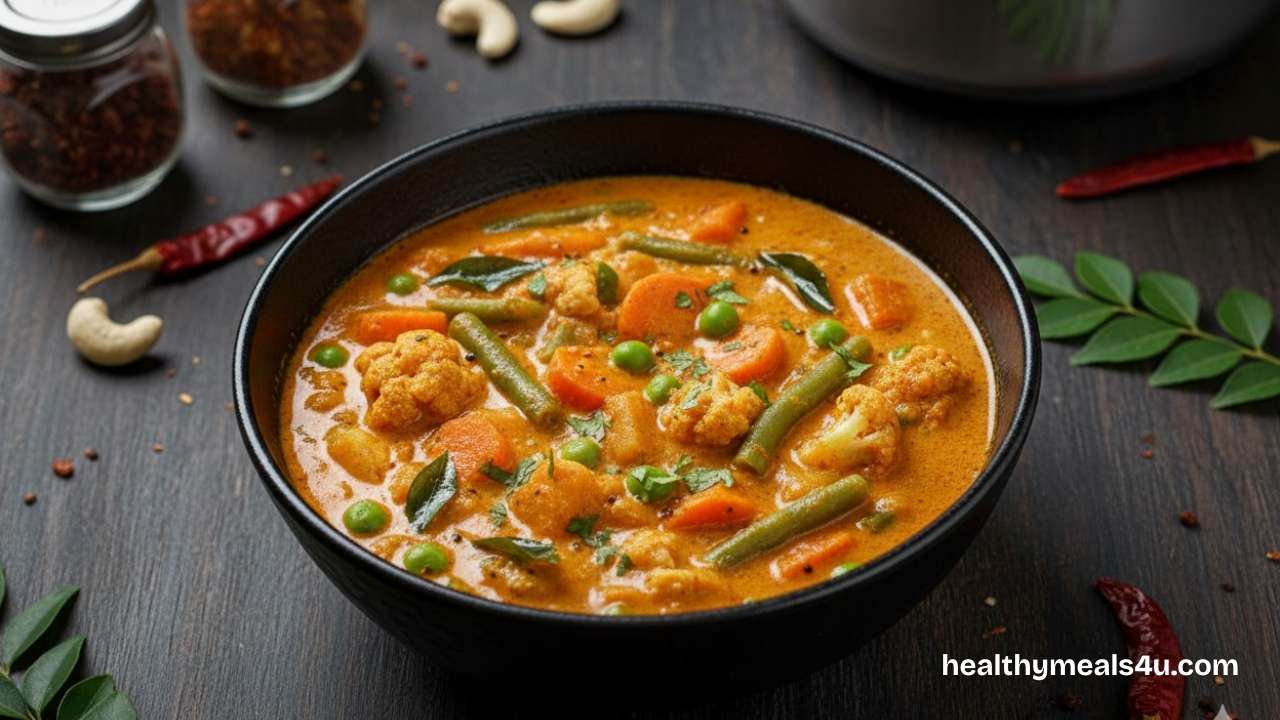
Veg Chettinad

Prep Time 15 minutes
Cook Time 25 minutes
Total Time 40 minutes
Servings: 3
Course: Side Dish
Cuisine: Indian
Calories: 51
Ingredients
  
  • 1 cup mixed vegetables carrot, beans, cauliflower, peas — chopped
  • 1 small onion chopped
  • 1 small tomato chopped
  • 1 tsp oil
  • ½ tsp mustard seeds
  • A pinch asafoetida hing — optional
  • 1 sprig curry leaves optional but adds flavour
  • 1 tsp ginger-garlic paste optional
  • ½ tsp turmeric powder
  • ½ tsp coriander powder
  • ½ tsp red chili powder optional, mild
  • Salt to taste
  • 1 cup water or as needed
  • Fresh coriander leaves for garnish
Method
 
  1. Heat oil in a pan. Add mustard seeds. Once they crackle, add asafoetida, curry leaves (if using), and chopped onion, and sauté until the onion turns translucent.
  2. Add ginger-garlic paste (if using), sauté for 30 seconds. Then add chopped tomato — cook until it softens.
  3. Add chopped vegetables, turmeric powder, coriander powder, red chilli powder, and salt. Mix well to coat vegetables with spices.
  4. Add water, cover and simmer until vegetables are cooked but retain a slight bite (about 10–15 minutes). Avoid overcooking to preserve fibre and texture.
  5. Garnish with fresh coriander. Serve with roti or ragi roti for a balanced meal.

A mildly spiced South Indian vegetable curry that pairs well with roti or millet rotis. Low in carbs, high in vegetables, and rich in fibre — perfect for a balanced diabetic meal.
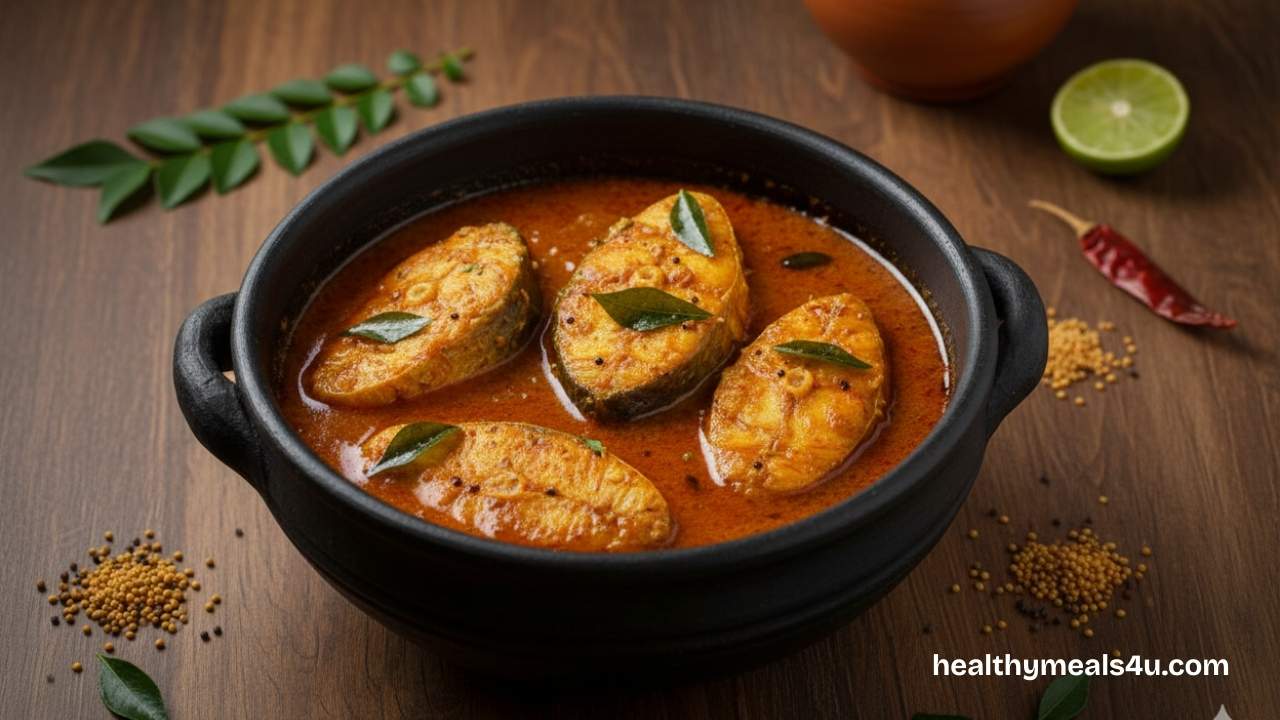
Fish Curry Kerala Style Without Coconut

Fish Curry Kerala Style Without Coconut

Prep Time 20 minutes
Cook Time 20 minutes
Total Time 40 minutes
Servings: 2
Course: Side Dish
Cuisine: Indian
Calories: 217
Ingredients
  
  • 300 g fish firm white fish, e.g., seer fish, kingfish, tilapia — cut into medium pieces
  • 1 tsp coconut oil
  • 3 Kudampuli (Dried Fish Tamarind) Soak in ¼ cup warm water for 10 minutes. Squeeze them and use the water.
  • ½ cup shallots finely sliced
  • 1 tomato chopped
  • 1 tsp ginger-garlic paste optional
  • 1 tsp mustard seeds
  • 1 sprig curry leaves optional
  • ½ tsp turmeric powder
  • ½ tsp red chili powder adjust per spice tolerance
  • ½ tsp coriander powder
  • Salt to taste
Method
 
  1. Preparation
  2. Fish: Wash the fish well and pat dry—season lightly with salt and turmeric.
  3. Kudampuli: Soak the 3 pieces in 1/4 cup warm water. Keep the soaking water aside, as it is used in the gravy.
  4. Chilli Paste: Mix the Kashmiri Chilli Powder, Turmeric Powder, and Fenugreek Powder with one-half a cup of water to form a smooth paste.
  5. Cooking the Base
  6. Heat the 1 teaspoon of oil in an authentic manchatti (earthen pot) or a heavy-bottomed pan.
  7. Add the shallots, ginger, garlic, and curry leaves. Sauté on low heat until the shallots are soft and lightly golden (about 5 minutes).
  8. Reduce the heat to very low and add the chilli paste from Step 1. Sauté the paste gently for 3-4 minutes, stirring constantly. This step is crucial for deepening the colour and flavour; do not burn the spices.
  9. Simmering the Curry
  10. Add the soaked kudampuli pieces and the soaking water to the pan. Add more water to bring the total liquid level to cover the fish (approximately 1 cup- total liquid, including the soaking water).
  11. Add salt to taste. Bring the gravy to a slow boil, then reduce the heat to low.
  12. Carefully place the fish pieces into the simmering gravy. Do not stir with a spoon. Instead, gently swirl the pot to mix the fish into the gravy.
  13. Cover and simmer on low heat for 10-12 minutes, or until the fish is cooked and the gravy has reduced and thickened (vattiyath).
  14. Final Tempering (Optional)
  15. Once the curry is done, turn off the heat.
  16. In a separate small pan, heat a few drops of coconut oil. Add a few fresh curry leaves. When they splutter, pour this hot tempering over the finished curry.

A lean and flavourful curry without the added fat of coconut milk. High-quality protein with minimal saturated fat makes it ideal for sugar control.

Eating well with diabetes doesn’t mean compromising on taste. With whole grains, lentils, millets, vegetables, and lean proteins, Indian meals can be incredibly satisfying and blood sugar–friendly. Indian Breakfast for Diabetics follows the same principles, with recipes—from khichdis and pulaos to vegetable curries and fish—helping you build a balanced weekly meal plan. Combine these choices with portion control, mindful cooking, and regular activity for better glucose management.

FAQ

You can, but white rice has a higher GI and raises blood sugar faster. Brown rice, millets, or quinoa are better for diabetics.

3–5 times a week is great, especially when paired with vegetables and whole grains.

Yes — in moderation. Use small amounts to keep calories and fat balanced.

A good rule: half your plate vegetables (or dal + vegetables), one quarter whole grains (brown rice, millets, quinoa), and one quarter protein (dal, paneer, beans, fish). This helps moderate carb intake and supports stable blood sugar.

Those foods that don’t spike blood sugar as much include avocados, eggs, berries, nuts and seeds, dark leafy greens, whole grains and Combining carb-rich foods with protein or healthy fats can also help reduce spikes in blood sugar levels.

Leave a Reply