
Indian Diabetic Recipes for Lunch
Midday meals can be one of the trickiest parts of managing diabetes. A heavy lunch can cause sudden blood sugar spikes, while a light or poorly balanced one often leads to hunger and fatigue soon after. Indian diabetic recipes for lunch, when planned with care and following the science of food for diabetes patient in India, rely on familiar ingredients, simple home-style cooking, and balanced portions that support steady glucose levels without taking the joy out of eating.
Lunch for Diabetics Indian
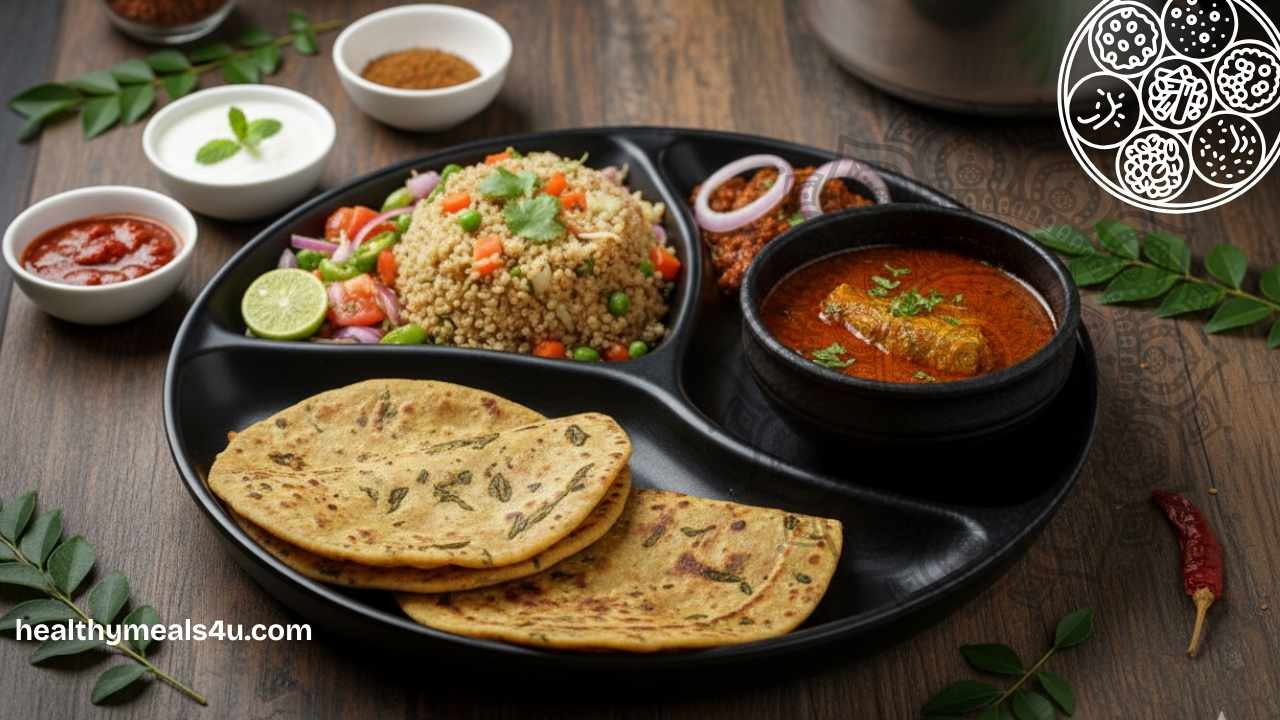
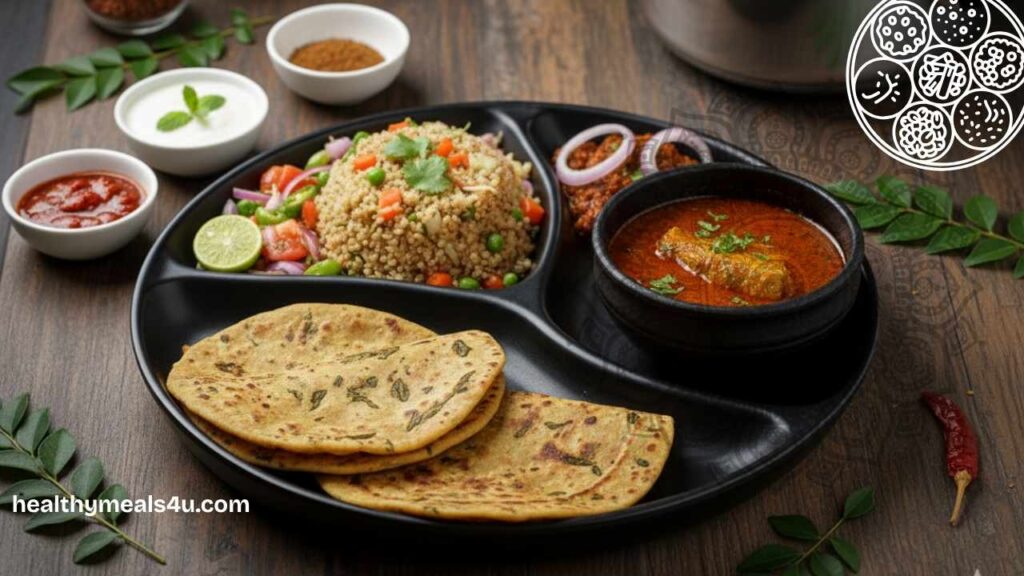
A well-balanced lunch for diabetics, Indian style, includes slow-digesting carbs, enough protein, and plenty of fibre-rich vegetables. This combination helps maintain stable blood glucose and gives you steady energy throughout the day.
Ideal Lunch Plate for diabetes meal planning
- Whole grains like brown rice, millets, quinoa, or broken wheat
- 1–2 cups of non-starchy vegetables
- Protein from dal, paneer, legumes, sprouts, eggs, or fish
- Minimal oil, low salt, and zero refined sugar
Best Diabetic-Friendly Grains
Millets, quinoa, brown rice, broken wheat, rolled oats, and whole wheat rotis.
Best Vegetables for Diabetic Lunch
Lauki, spinach, methi, beans, cabbage, cauliflower, bhindi, karela, tomatoes, and cucumbers.
Indian Diabetic Main Course Lunch Recipes

Ingredients
- 1 cup green moong dal split green gram
- ½ cup brown rice or short-grain rice optional — you may skip rice for lower carbs
- 1 teaspoon cumin seeds
- 1 small pinch asafoetida hing
- 1 teaspoon grated ginger
- 1 or 2 green chillies slit or chopped — optional, based on your spice tolerance
- ½ teaspoon turmeric powder
- Salt to taste
- 1 tablespoon ghee or 1 teaspoon oil for healthier option
- 4 cups water adjust as per desired consistency
- Fresh coriander leaves for garnish
Method
- Wash dal (and rice, if using). Soak 15–20 minutes for better digestion.
- Heat ghee/oil in a cooker. Add cumin, let it crackle. Add hing, ginger, and chillies. Sauté 30–45 seconds.
- Add dal (and rice), turmeric, salt, and water. Stir.
- Pressure cook 2–3 whistles or simmer in a pot until soft.
- Adjust consistency with hot water if needed.
- Garnish with coriander and a few drops of ghee if you like.
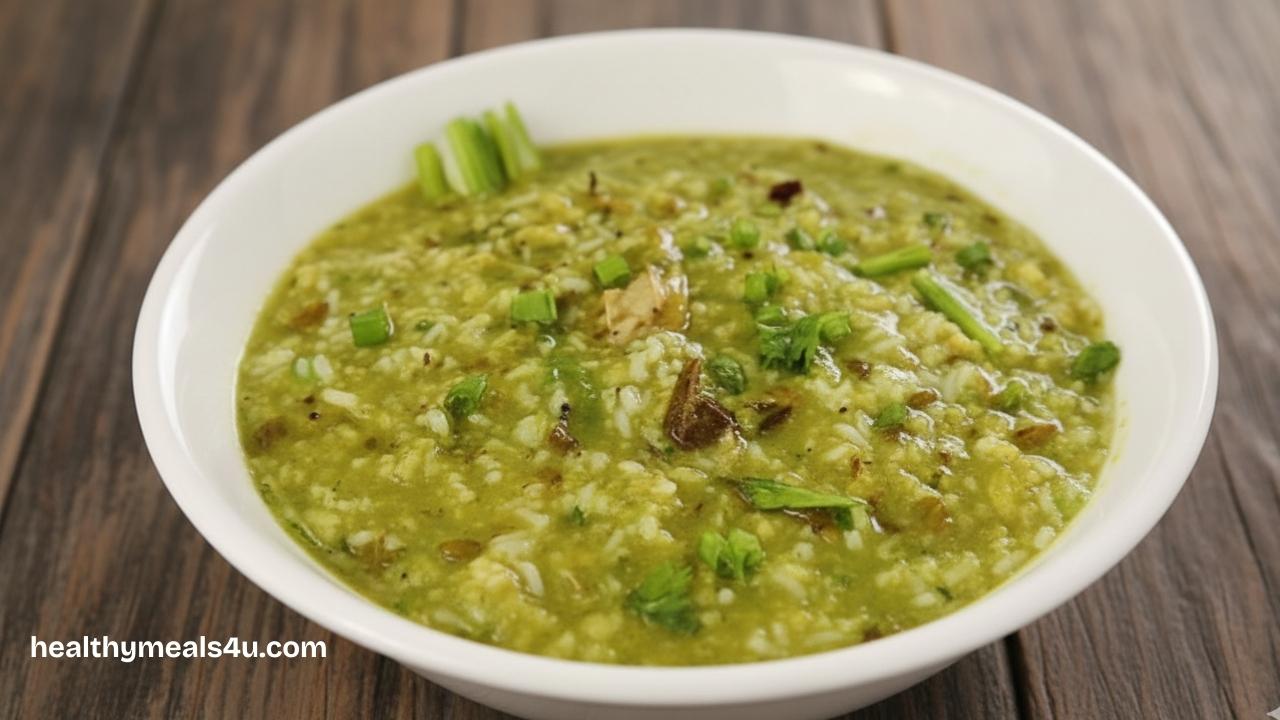
A light, nourishing khichdi that’s easy to digest and naturally high in protein and fibre. Moong dal offers slow-digesting protein and fibre, helping prevent sugar spikes. This is easy on the stomach and keeps you full without weighing you down.

Ingredients
- 1 cup quinoa rinsed and drained
- 1 cup mixed vegetables carrot, peas, beans, bell pepper — chopped small
- 1 teaspoon oil
- ½ teaspoon cumin seeds
- ¼ teaspoon asafoetida hing — optional
- 1 small onion — finely chopped
- 1 teaspoon ginger-garlic paste optional
- ½ teaspoon turmeric powder
- ½ teaspoon cumin powder
- ½ teaspoon coriander powder
- Salt to taste
- 2 cups water or as per quinoa package instructions
- Fresh coriander leaves for garnish
- Optional: chopped green chillies or mild spices per taste
Method
- Rinse quinoa to remove bitterness.
- Heat oil, add cumin, hing, onion, and ginger-garlic. Sauté until translucent.
- Add vegetables and spices. Sauté 2–3 minutes.
- Add quinoa and water.
- Cook until fluffy — 12–15 mins on stove, or 1 whistle in cooker.
- Fluff with a fork and garnish.
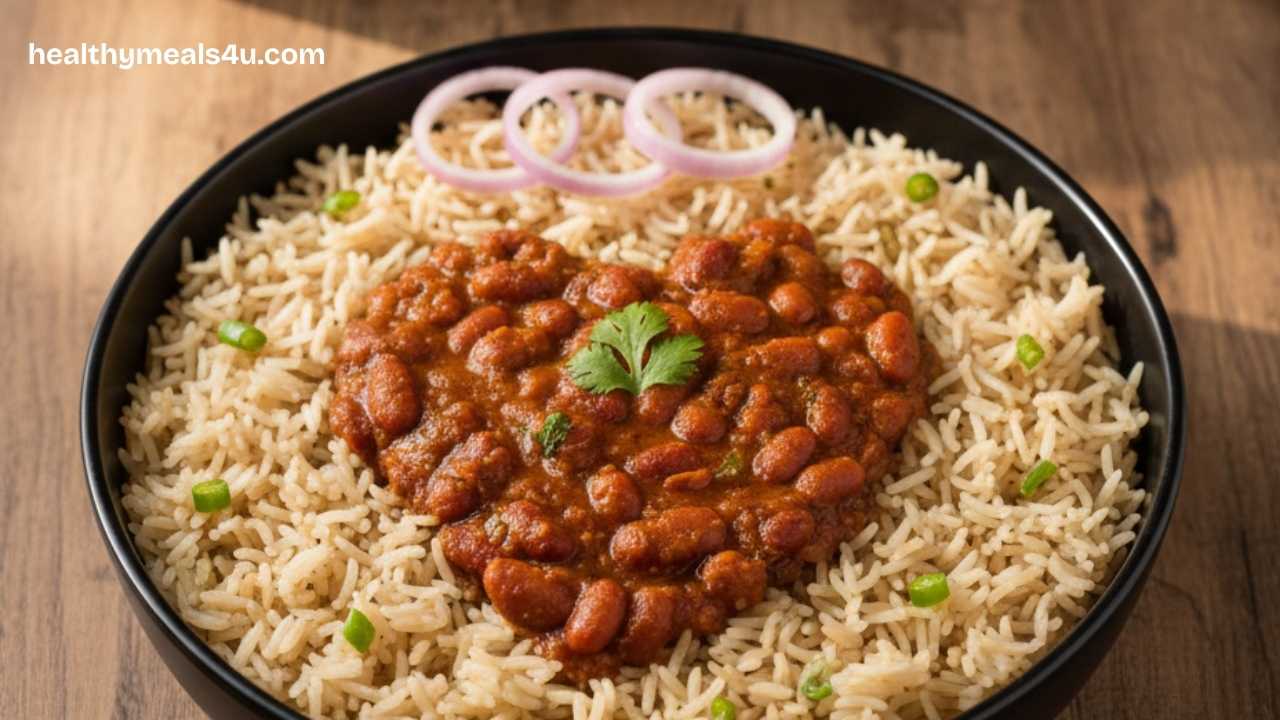
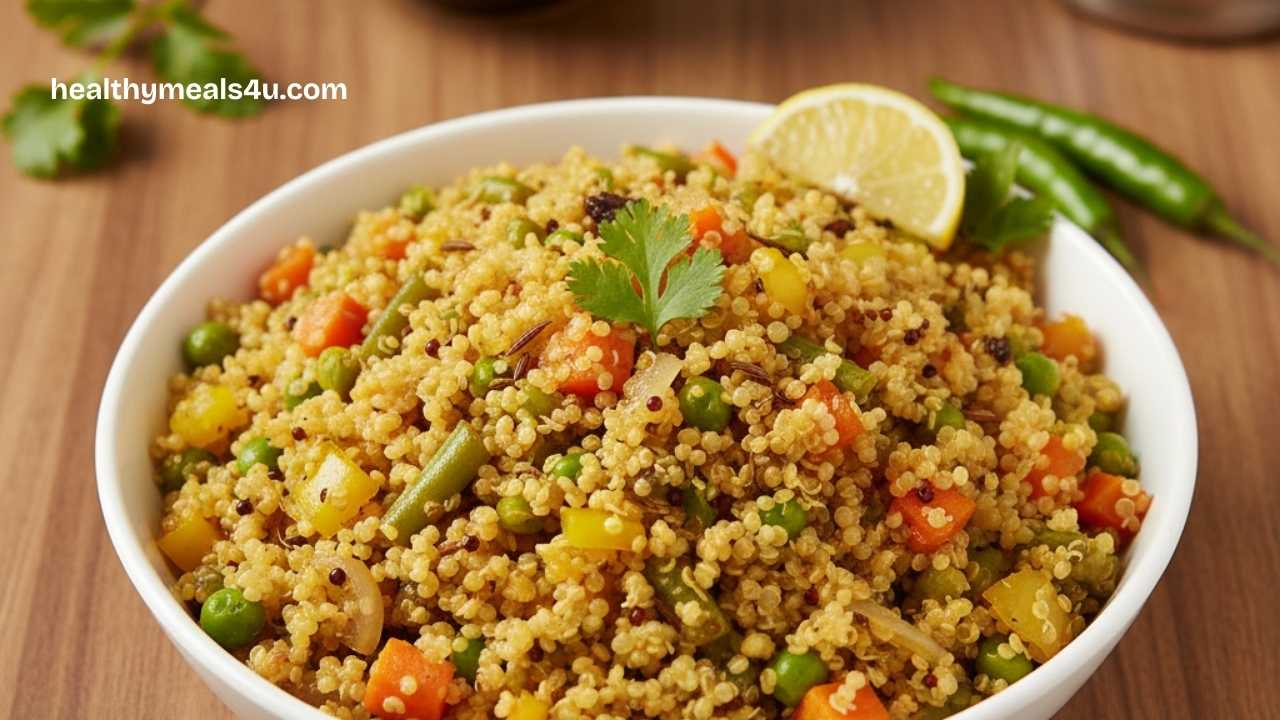
A wholesome alternative to rice pulao with added protein and fibre. Quinoa has a lower glycemic load than rice and provides protein + fibre for slower glucose release.

Method
- Soak rajma overnight and pressure cook until soft (or use canned).
- Heat oil, add cumin and hing. Sauté onion, then ginger-garlic.
- Add tomato and cook until soft.
- Add spices and rajma. Simmer 5 minutes.
- Cook brown rice separately.
- Serve rajma over brown rice and garnish.
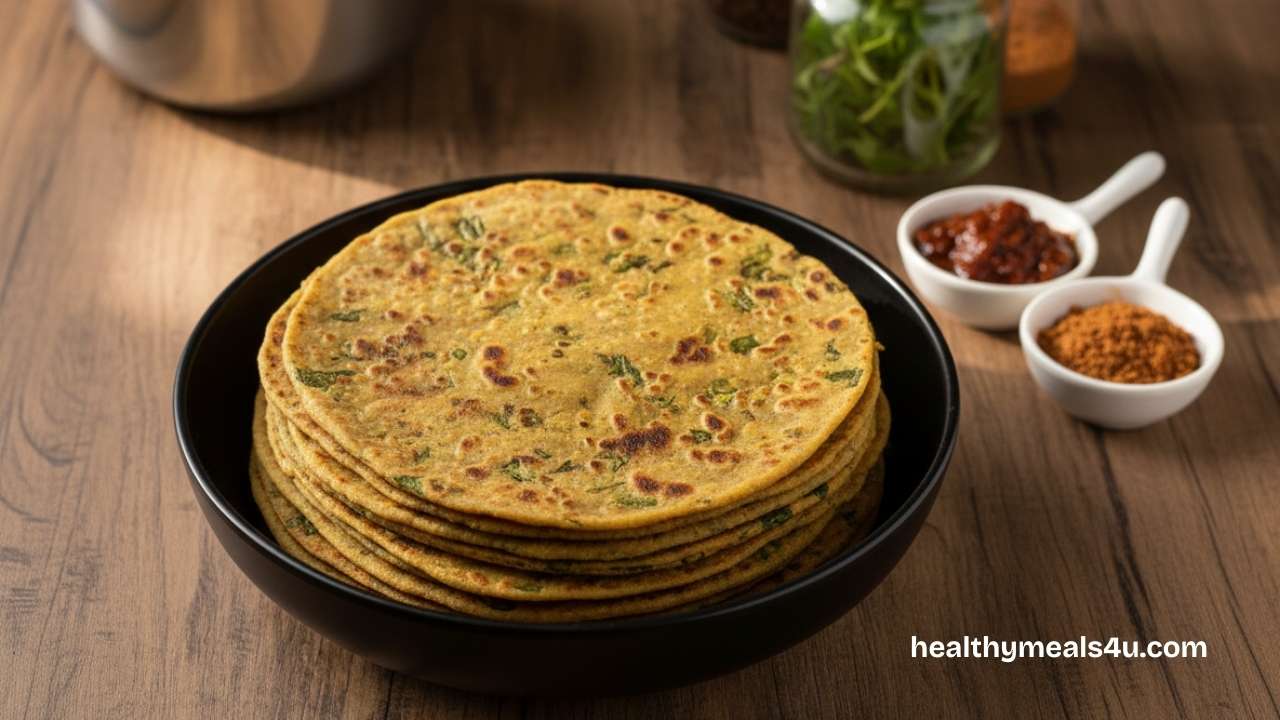
A protein-rich, comforting bowl ideal for a filling diabetic lunch. Rajma’s soluble fibre and protein help control glucose release and improve satiety. Paired with brown rice, it becomes a nutrient-dense lunch bowl.

Method
- Mix flour, chopped methi, spices, salt, and oil. Add water and knead into a soft dough.
- Rest 5–10 minutes, then divide into balls.
- Roll into theplas.
- Cook on tawa, brushing lightly with oil until golden spots appear.
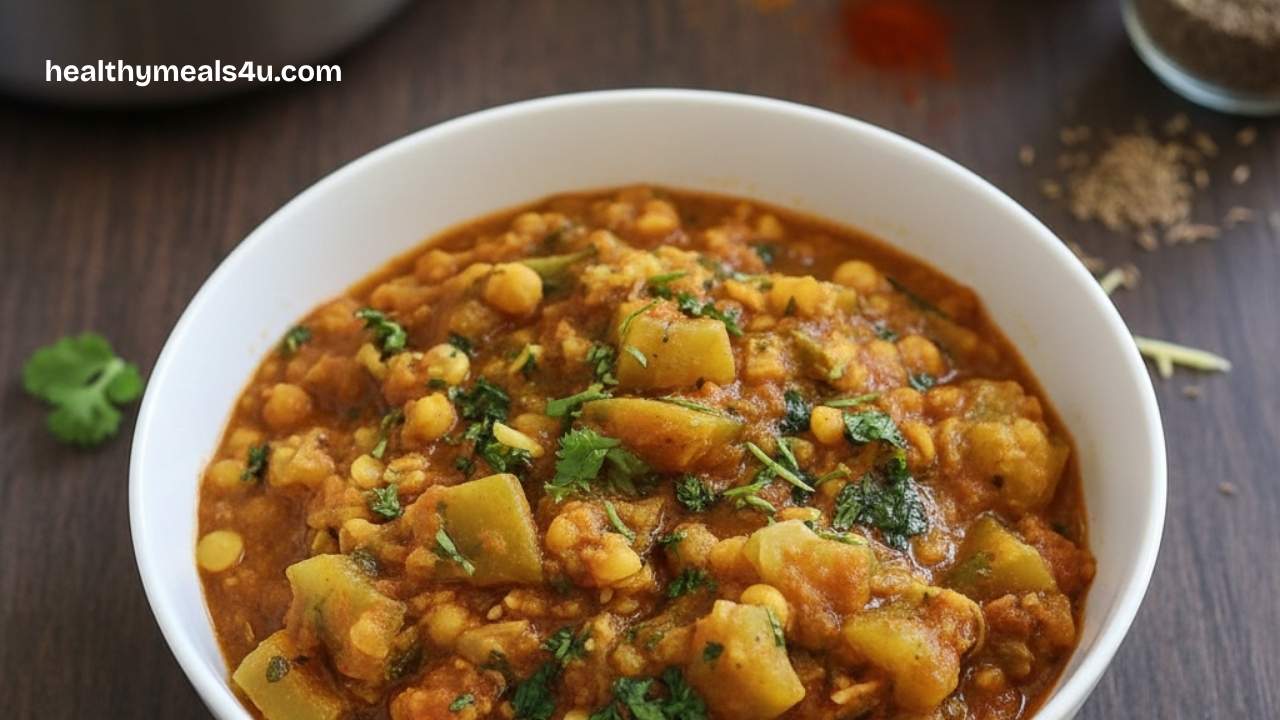
An excellent, travel-friendly, fibre-rich substitute for roti that goes well with yoghurt or light sabzis. Methi supports blood sugar balance, and whole wheat offers complex carbs instead of refined flour.
Diabetic-Friendly Side Dishes for Lunch

Ingredients
- 1 small to medium lauki bottle gourd — peeled and chopped into small cubes
- ½ cup split moong dal washed
- 1 teaspoon oil
- 1 teaspoon cumin seeds
- ¼ teaspoon asafoetida hing — optional
- 1 small onion — finely chopped
- 1 small tomato — chopped
- 1 teaspoon grated ginger optional
- ½ teaspoon turmeric powder
- ½ teaspoon red chili powder optional
- Salt to taste
- 3 cups water or as needed
- Fresh coriander for garnish
Method
- Cook lauki, moong dal, water, turmeric, and salt until soft.
- Prepare tadka with oil, cumin, hing, onion, tomato, and chilli.
- Add tadka to dal, simmer briefly, and garnish.
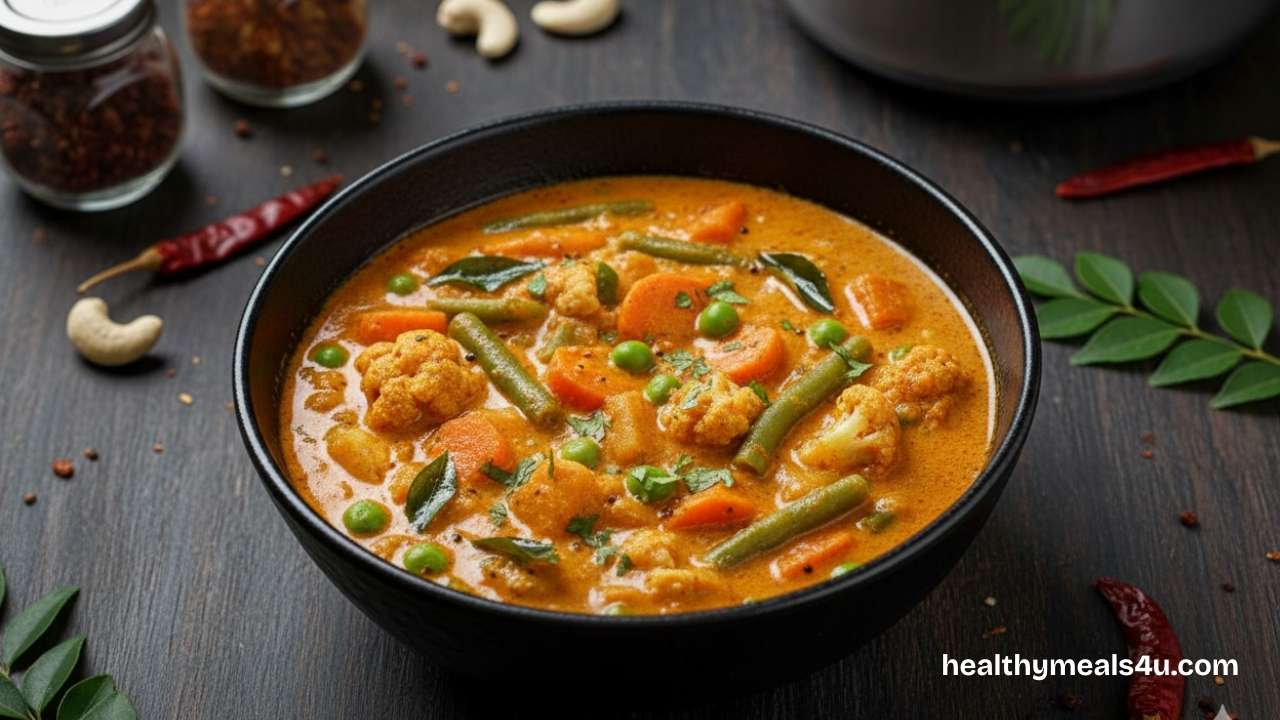
A light, hydrating dal perfect for pairing with theplas or quinoa. Low-carb lauki + protein-rich dal make this a gentle, low-GI combination.

Ingredients
- 1 cup mixed vegetables e.g., carrot, beans, beans, cauliflower, peas — chopped
- 1 small onion — chopped
- 1 small tomato — chopped
- 1 teaspoon oil
- ½ teaspoon mustard seeds
- A pinch asafoetida hing — optional
- 1 sprig curry leaves optional but adds flavour
- 1 teaspoon ginger-garlic paste optional
- ½ teaspoon turmeric powder
- ½ teaspoon coriander powder
- ½ teaspoon red chili powder optional, mild
- Salt to taste
- 1 cup water or as needed
- Fresh coriander leaves for garnish
Method
- Sauté mustard, hing, curry leaves, onion, and ginger-garlic.
- Add tomato and cook until soft.
- Add vegetables, spices, water; simmer until cooked yet firm.
- Garnish with coriander.
A mildly spiced South Indian vegetable curry that pairs well with roti or little millet recipes. Low in carbs, high in vegetables, and rich in fibre — perfect for a balanced diabetic meal.

Ingredients
- 300 g fish firm white fish, e.g., seer fish, kingfish, tilapia — cut into medium pieces
- 1 teaspoon oil
- 1 small onion — finely sliced
- 1 tomato — chopped
- 1 teaspoon ginger-garlic paste optional
- 1 teaspoon mustard seeds
- 1 sprig curry leaves optional
- ½ teaspoon turmeric powder
- ½ teaspoon red chili powder adjust per spice tolerance
- ½ teaspoon coriander powder
- Salt to taste
- 1 cup water or as required
- Juice of ½ lemon optional, for tang
- Fresh coriander leaves for garnish
Method
- Sauté mustard, curry leaves, onion, and ginger-garlic.
- Add tomato and spices; cook until oil separates.
- Add water, then fish. Simmer until cooked.
- Finish with lemon juice and coriander.
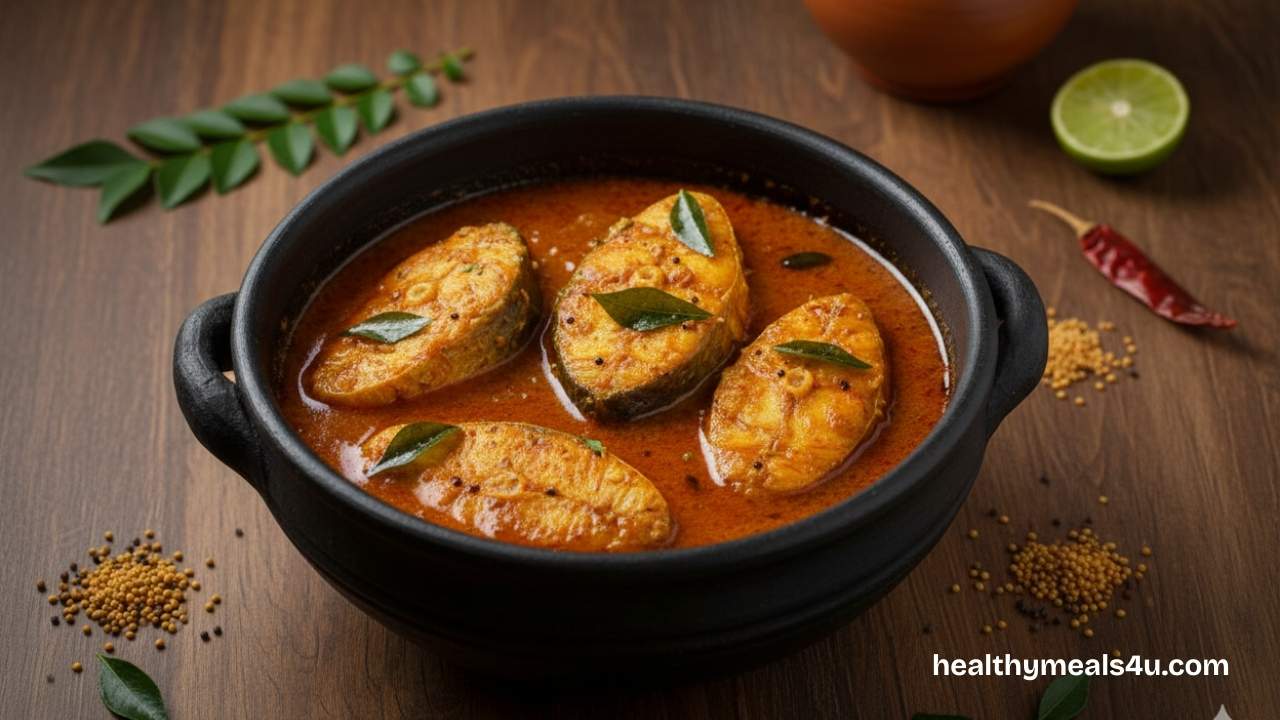
A lean and flavourful curry without the added fat of coconut milk. This is a high-quality protein with minimal saturated fat and thus ideal for sugar control.
Eating well with diabetes doesn’t mean compromising on taste. With whole grains, lentils, millets, vegetables, and lean proteins, Indian meals can be incredibly satisfying and blood sugar–friendly. These recipes—from khichdis and pulaos to vegetable curries and fish—help you build a balanced weekly lunch plan. Combine them with portion control, mindful cooking, and regular activity for better glucose management.
Frequently Asked Questions
Can I replace brown rice with white rice in these recipes?
Yes, but white rice has higher glycaemic index and can raise blood sugar more quickly. For diabetic-friendly meals, it’s best to use brown rice, millets (such as ragi or bajra), or grains like quinoa, which provide slower, sustained energy.
How often can I eat pulses or dal if I’m diabetic?
Pulses and dals (like moong, rajma, etc.) are excellent for diabetics because of their protein and fibre content. Having them 3–5 times per week is generally considered good, especially when portion sizes are moderate, and meals are balanced with vegetables and whole grains.
Can a diabetes patient have fruit juice?
It is always best to eat low- to medium-GI fruits rather than consume fruit juice.
How to balance portions to manage blood sugar
A good rule: half your plate vegetables (or dal + vegetables), one quarter whole grains (brown rice, millets, quinoa), and one quarter protein (dal, paneer, beans, fish). This helps moderate carb intake and supports stable blood sugar.
