
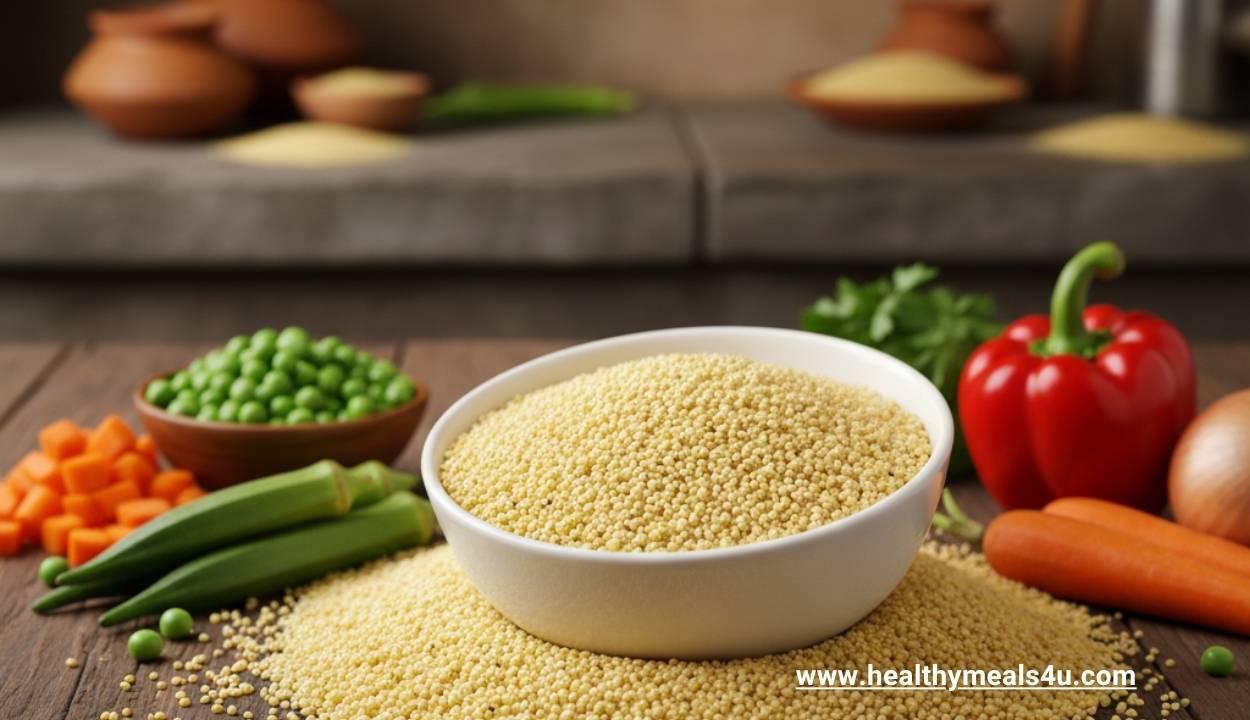
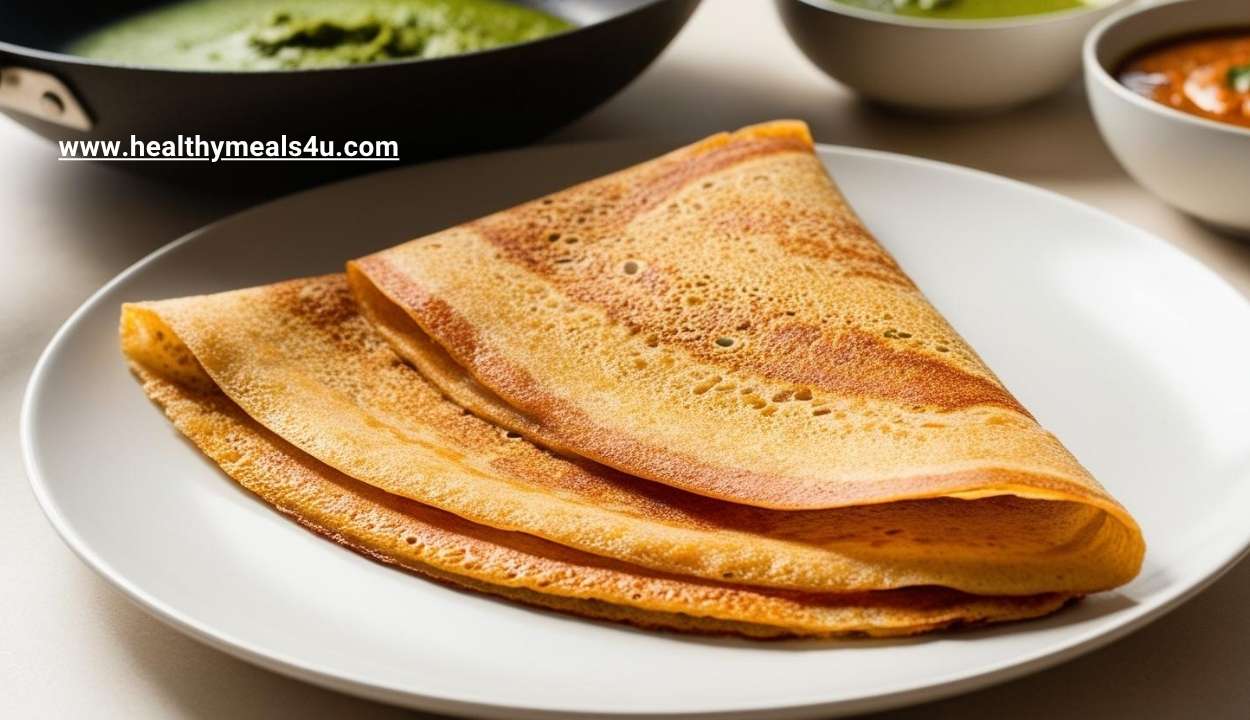
Little Millet Dosa
Ingredients
Method
- Soak little millet and urad dal for 4–6 hours.
- Grind to a smooth batter with water; mix in salt.
- Ferment overnight (6–8 hours).
- Heat a non-stick pan, and pour batter in a thin layer.
- Drizzle a little oil or ghee on the edges and cook until crisp.
- Serve with coconut chutney or sambar.
Notes
Low-calorie, fibre-rich, and ideal for diabetic-friendly breakfasts.
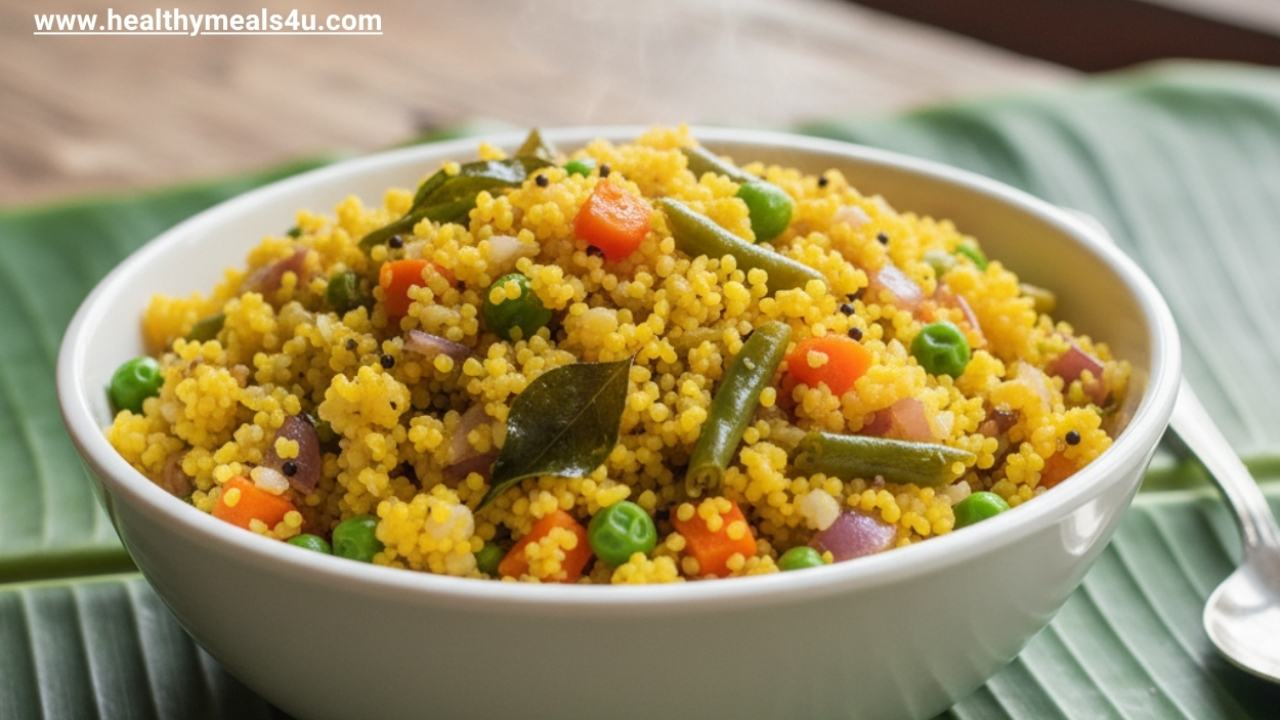
Little Millet Upma
Ingredients
Method
- Roast millet lightly for 2 minutes.
- Heat oil/ghee, and sauté mustard seeds, curry leaves, onion, and chillies.
- Add vegetables and cook for 2–3 minutes.
- Add millet and water, and cook covered until water is absorbed (~15 mins).
- Fluff and serve hot.
Notes
Boost fibre by adding more vegetables. Perfect for a weight-loss-friendly breakfast.
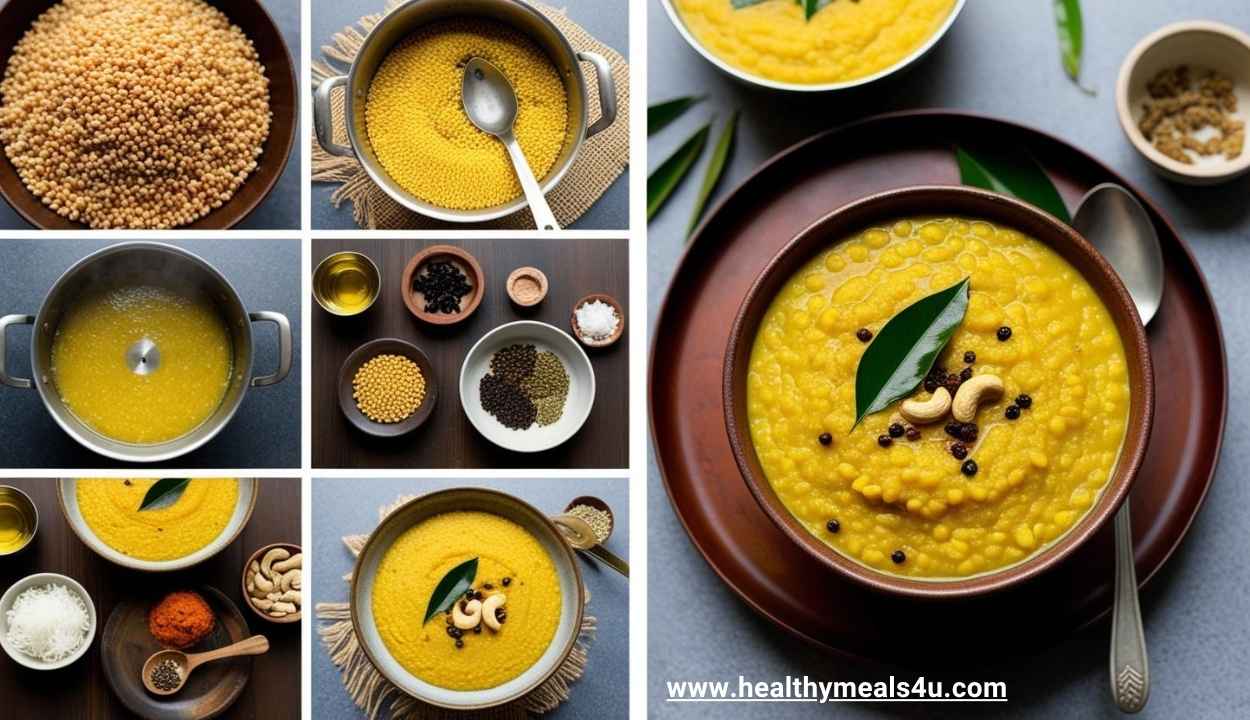
Little Millet Pongal
Ingredients
Method
- Wash millet and dal, then combine in a pressure cooker with 4 cups of water.
- Add turmeric, ginger, and green chillies. Cook 2 whistles.
- Heat ghee, sauté curry leaves and cashews, and mix into cooked Pongal.
- Serve warm.
Notes
Soft, easily digestible, and a comforting breakfast or festival dish.
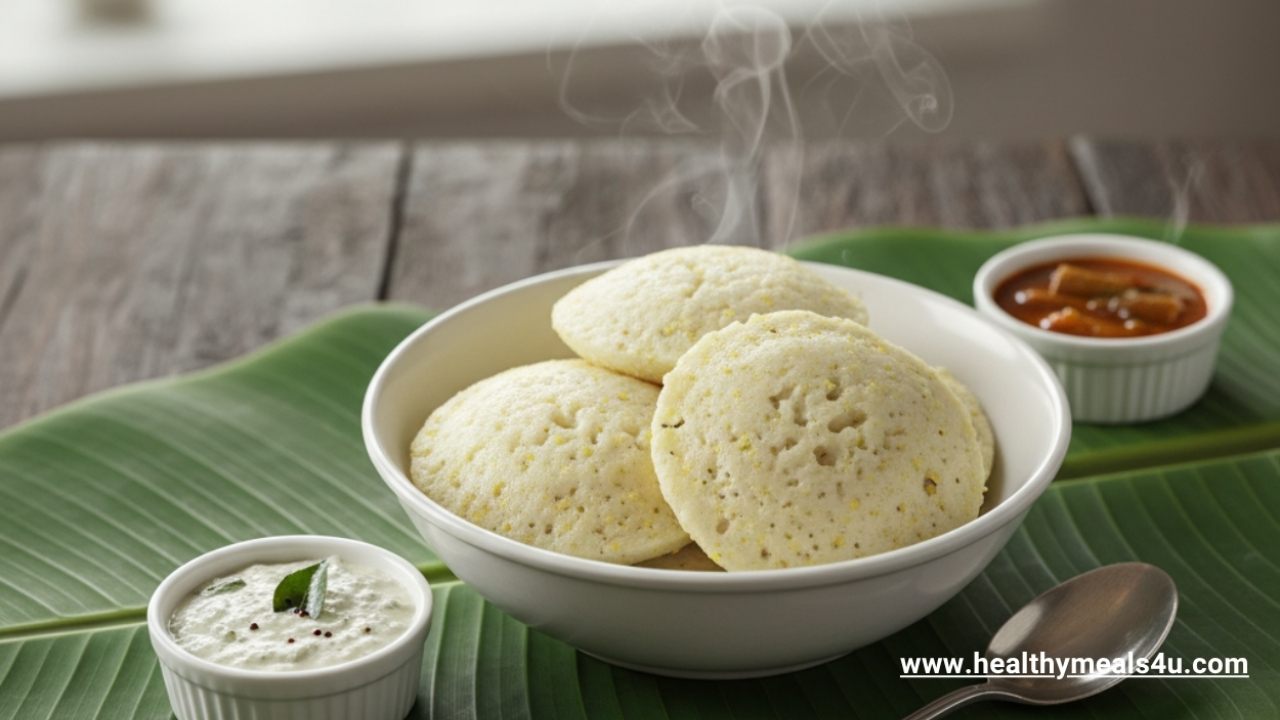
Little Millet Idli
Ingredients
Method
- Soak millet and urad dal for 4–6 hours.
- Grind to a smooth batter, add salt, and ferment overnight.
- Grease idlis, pour batter, and steam for 10–12 minutes.
- Cool slightly and remove. Serve with chutney or sambar.
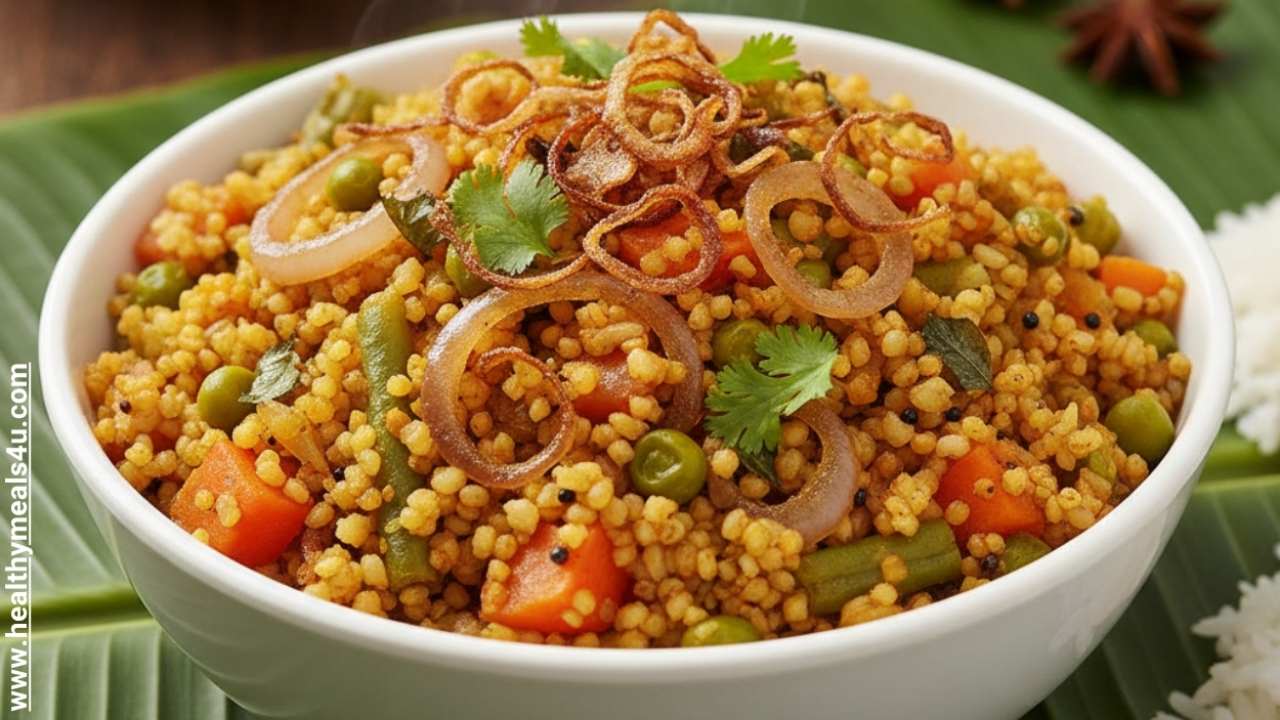
Little Millet Biryani
Ingredients
Method
- Heat oil, sauté onions and ginger-garlic paste.
- Add vegetables or protein, turmeric, and garam masala.
- Mix in cooked millet, stir well, and simmer for 5–10 minutes.
- Garnish with coriander and fried onions. Serve hot.
Notes
A balanced, wholesome meal with complex carbs, protein, and fibre.
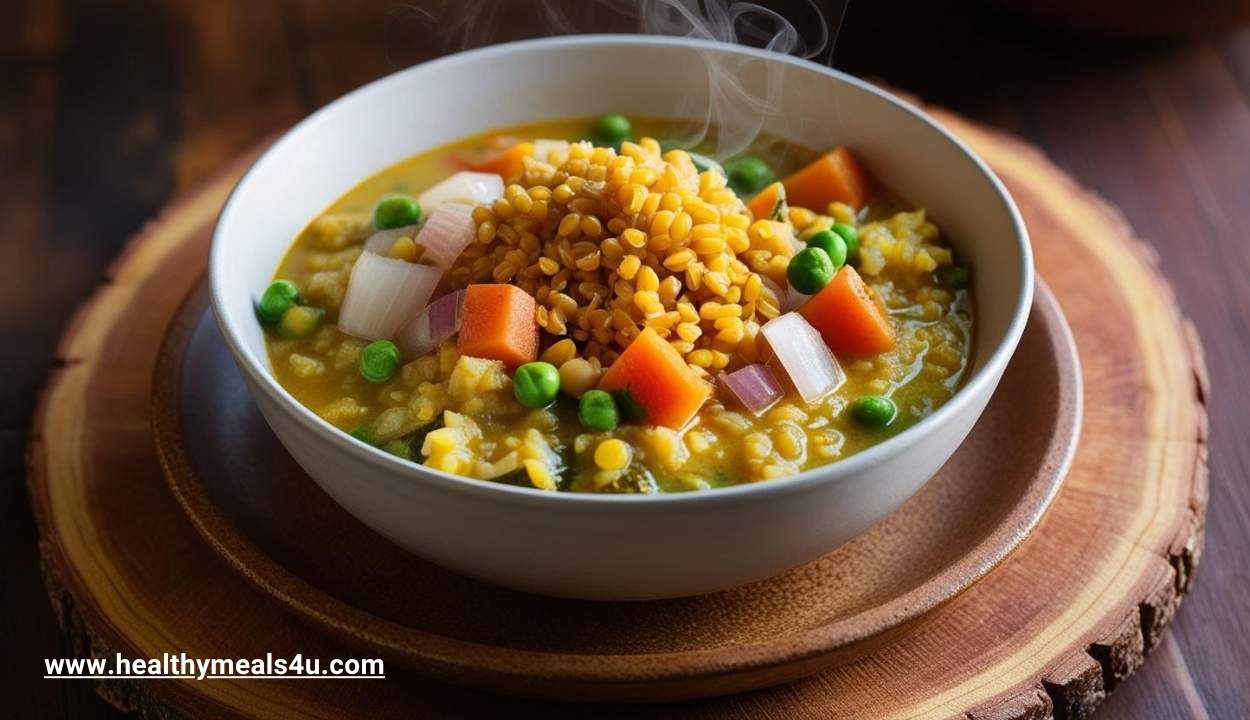
Little Millet Khichdi
Ingredients
Method
- Wash millet and dal.
- Heat cumin seeds in a pan, add vegetables, and sauté lightly.
- Add millet, dal, turmeric, water, and salt. Cook until soft.
- Serve warm as a light meal or detox-friendly dish.
Pingback: Food For Diabetes Patient In India