
Skip to content

PANEER SALAD BOWL YOU MUST TRY!

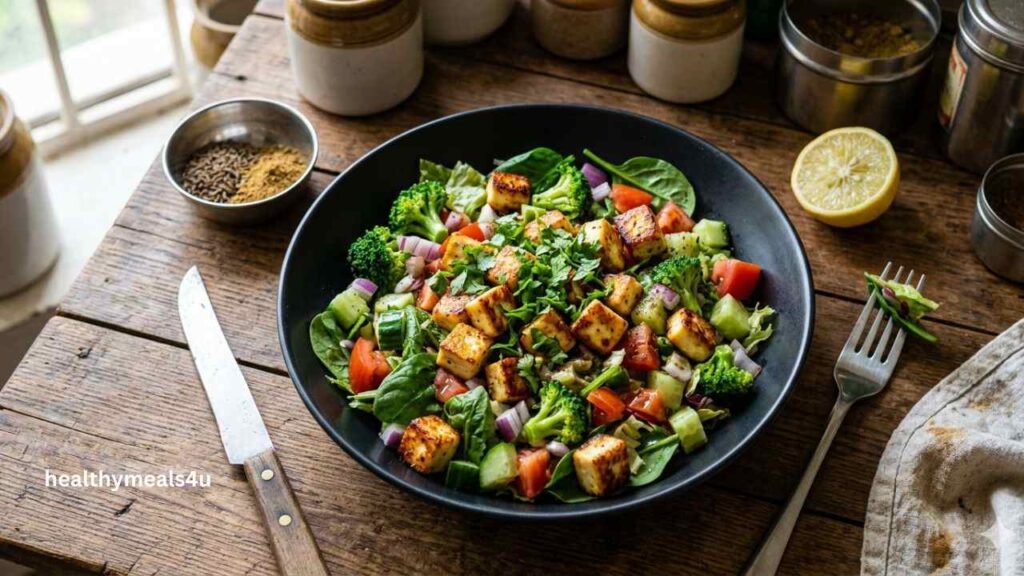
This fresh paneer salad bowl is a protein-rich, low-carb meal that genuinely keeps blood sugar steady without tasting like a compromise. Paneer sits naturally low on the glycaemic index, and pairing it with fibre-rich vegetables and a sharp, cumin-laced lemon dressing takes that blood-sugar benefit even further. The one detail that sets our version apart? We always let the pan-fried paneer rest for five minutes before it goes into the bowl — that short cooling window firms up the golden crust, stops the heat wilting your greens, and completely changes the texture of the finished dish.

Nutrition of Paneer Salad

Protein (gram)
0
Total Carbs (gm)
0
Fat
0

Why This Recipe Works for Diabetic-Friendly Meal Planning?

Paneer delivers around 18 g of protein per 100 g serving with almost no carbohydrates, which means it satisfies hunger without triggering the kind of blood sugar spike a carb-heavy meal would.

But the vegetables carry equal weight here. Cucumber, bell pepper, cherry tomatoes, and mixed salad leaves all bring soluble fibre to the bowl. Fibre slows the absorption of sugars into the bloodstream, which smooths out your glucose response after eating.

The dressing makes a difference too. We skip sugary shop-bought dressings entirely and use a simple blend of lemon juice, extra virgin olive oil, and ground cumin – nothing that adds unnecessary sugar or hidden carbs.

I make this salad regularly on busy weekday lunches when I need something quick that won’t leave me hunting for a snack two hours later. It’s that combination of steady protein and fibre that does it. You actually feel full.

A note on individual needs: This recipe works well as a general low-carb, high-protein option, but always speak to your GP or diabetes care team about the right dietary approach for your specific health plan.

Ingredient Notes & Swaps

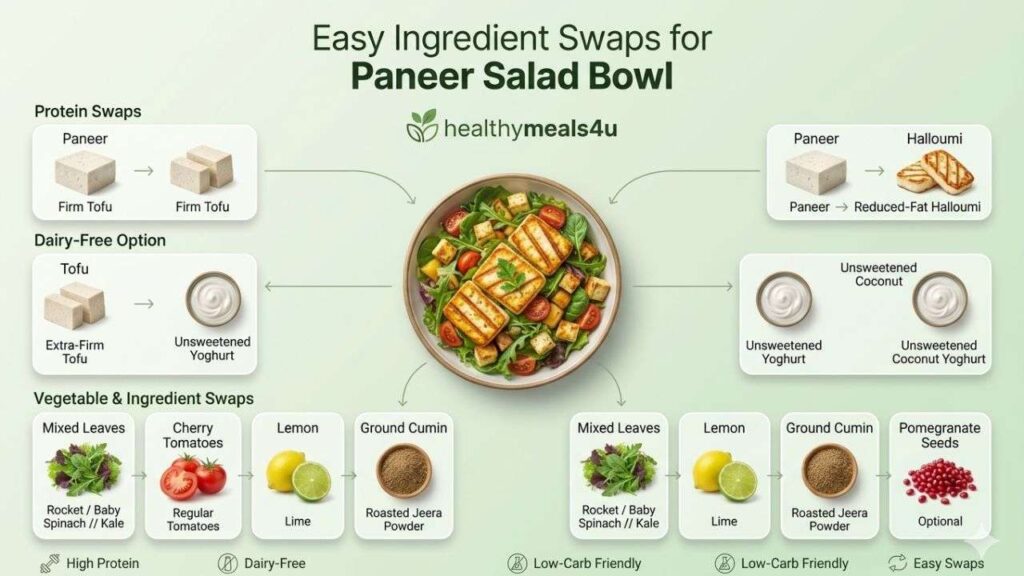
Ingredient swaps for paneer salad bowl

This section is purely about substitutions — what to reach for when you don’t have something, or want to adapt the dish to your dietary need

Don’t Have Paneer?

Firm tofu is the closest like-for-like substitute. Press it for at least 20 minutes (wrap it in a clean cloth and set something heavy on top), then cube and cook it exactly as you would the paneer — a hot pan with a small amount of oil until golden on each side. It’s slightly softer and blander than paneer, but it absorbs the dressing beautifully and still hits that satisfying protein target.

Halloumi works too, particularly reduced-fat versions. Bear in mind it’s saltier than paneer, so pull back on any added salt in the dressing.

Dairy-Free Option

Extra-firm tofu is your best bet and works just as described above. For a creamy dressing variation, unsweetened coconut yoghurt can stand in for any dairy-based ingredients — just check the label to keep the carbs low.

Other quick swaps:

  • Mixed leaves → rocket, baby spinach, or shredded kale all hold up well
  • Cherry tomatoes → diced regular tomatoes work fine
  • Lemon-lime gives a slightly sharper, more punchy flavour
  • Ground cumin — roasted jeera powder is smokier and a little more interesting 
  • Pomegranate seeds → leave them out if you’re monitoring fructose intake; add a small handful for sweetness and colour if not
Paneer salad bowl

Paneer Salad Bowl

Prep Time 15 minutes
Cook Time 10 minutes
Total Time 25 minutes
Servings: 2
Course: Salad
Cuisine: Indian
Calories: 320
Ingredients  
  • 200 g paneer cut into cubes
  • 1 cup mixed greens spinach, lettuce or broccoli
  • 1 small cucumber diced
  • 1 medium tomato chopped
  • ½ red onion cut into thin slices
  • 1 tsp olive oil or mustard oil
  • Juice of ½ lemon
  • ½ tsp cumin powder roasted
  • Salt and black pepper as per your preference I use ¼ spoon
  • Fresh coriander
Method
 
  1. Heat a pan. Add half a teaspoon of oil. I use a steel pan with a thick bottom.
  2. Place the paneer cubes into the hot pan. Set it on a medium flame. This is to grill the paneer.
  3. Wait for 5-7 minutes until the paneer turns golden-coloured on the edges. Once done, put it aside.
  4. Mix palak (spinach), broccoli, lettuce, cucumber, tomato, and onion in a large bowl.
  5. In another cup, take the remaining olive oil, lemon juice, cumin powder, salt and pepper. Blend them to make a quick dressing.
  6. Now add the warm paneer into the salad. Top it off with the dressing. Gently mix them.
  7. You may add half a handful of chopped fresh coriander over them. Serve right away!
Notes
Diabetic tip: This is best to eat before your rice or any other carb you take. Why? Obviously, to slow down the glucose rush into your blood.


Pro Tips for the Best Texture

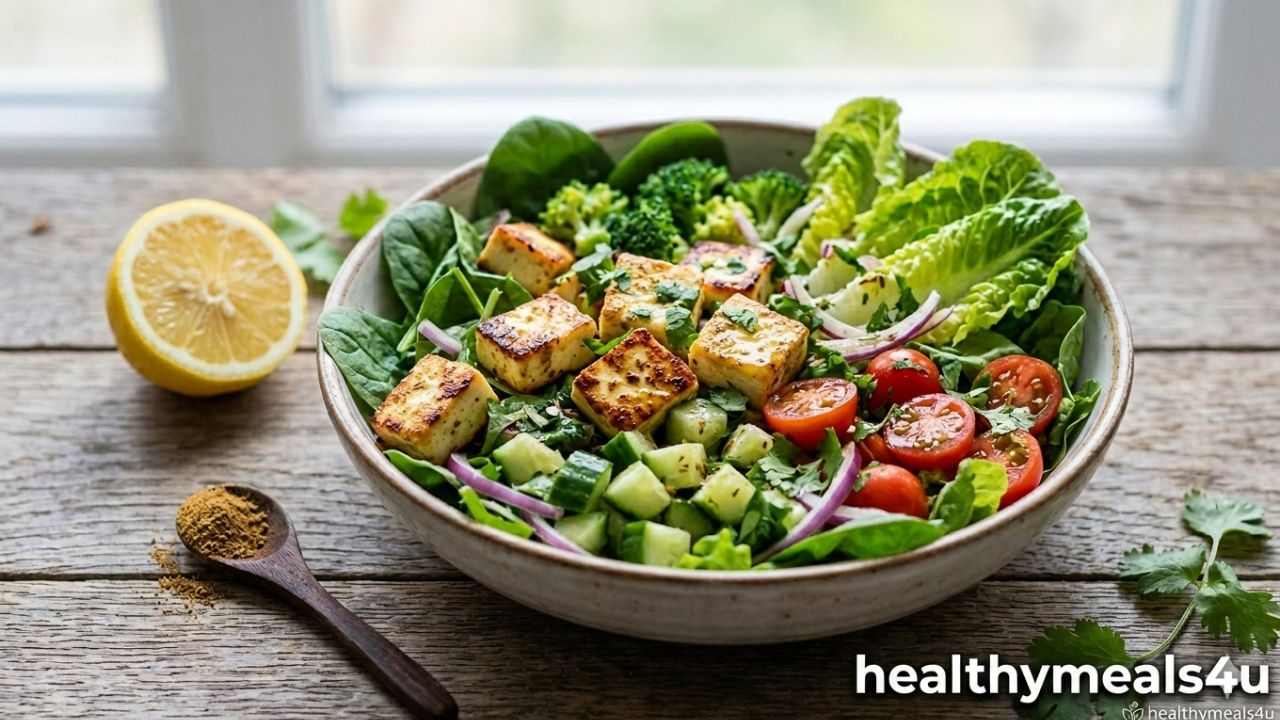
Tips for best paneer texture

Texture is what separates a paneer salad that feels like a proper meal from one that feels like a side dish someone forgot about. These are the details that actually make a difference.

  • Pat the paneer dry before it goes in the pan. Moisture on the surface causes steaming rather than searing. A quick press with kitchen paper takes five seconds and dramatically improves colour and crust.
  • Use a hot pan with the smallest amount of oil you can get away with. If the pan isn’t hot enough, the paneer sticks and falls apart.
  • Don’t move it. Once the cubes are in, leave them alone for a full 2 minutes per side. Resist the urge to stir. That’s what builds the crust.
  • Let it cool for 5–8 minutes before assembling. This is the step almost every other recipe skips. Paneer straight from the pan will wilt your leaves within minutes. A short rest lets the heat dissipate and the crust firm up — you get a completely different, far better result.
  • Season the paneer as it cooks, not after. A pinch of chaat masala or ground cumin in the pan gives a depth of flavour that dressing alone can’t replicate.
  • Dress right before serving. Lemon juice softens leaves quickly. Toss everything together just before you eat.

Storage & Make-Ahead

The salad is best fresh, but with a bit of prep the night before, it comes together in under five minutes. 

To prep the components ahead:

  • Cook the paneer the night before and store it in an airtight container in the fridge — it keeps well for up to 2 days
  • Chop all the vegetables and store them separately; they’ll stay crisp for up to 24 hours
  • Mix the dressing and keep it in a small jar in the fridge

When you’re ready to eat, simply combine everything and dress at the table. Don’t dress in advance — the lemon juice will soften the leaves overnight, and you’ll end up with a soggy bowl by morning.

Already dressed leftovers will keep for one day in the fridge, though the texture won’t be as good. The individual components stored separately will last up to 2 days.

More Diabetic-Friendly Indian Recipes

Diabetic friendly Indian recipes

If this salad bowl is your kind of meal, try more of our Indian Diabetic Dinner Recipes — they’re built specifically for anyone planning a weekly low-GI Indian menu for dinners. 

A few recipes worth bookmarking from that collection:

  • Methi Dal (Fenugreek Lentil Soup) – warming, high-fibre, and genuinely low GI; perfect for cooler evenings
  • Tandoori Chicken Salad – a similar protein-forward bowl format that works brilliantly as a meal prep option
  • Cucumber Raita with Jeera – a cooling, probiotic-rich side that pairs well with any of our Indian mains.

Frequently Asked Questions

Yes, paneer is widely regarded as one of the more practical proteins for people managing blood sugar. It’s high in protein and fat, very low in carbohydrates, and has a negligible effect on the glycaemic index. It also promotes satiety, which helps prevent overeating between meals. Portion size still matters — around 80–100 g as part of a balanced meal is a good guide

Absolutely, and it works very well. Extra-firm tofu pressed and pan-fried to golden is the closest substitute in texture. It’s blander than paneer and slightly softer, but it absorbs the dressing beautifully. It’s also a little less calorie-dense than paneer, which suits some people’s targets.

Prep the components separately, yes – but don’t dress them until you’re ready to eat. Pre-dressed, the salad turns surprisingly soggy fast. With components stored separately in the fridge, it takes under five minutes to assemble the next day — and it tastes as good as freshly made.

Broadly, yes. At roughly 12 g of carbs per serving — mostly from the vegetables — it fits comfortably within most low-carb targets. To bring carbs lower still, leave out the pomegranate seeds and lean into leafy greens and cucumber as your main bulk. The paneer, oil, and lemon dressing add essentially no carbs at all.

Leave a Reply

Your email address will not be published. Required fields are marked *

Recipe Rating