
Traditional Christmas Cake Recipe – 4 Classic Cakes I Tried

Christmas baking, at least for me, has never been efficient or perfectly planned. It usually starts with good intentions and ends with spice jars scattered everywhere, fruits soaking longer than expected, and the oven running slower than the recipe claims it should. But that’s exactly why Christmas cakes matter. They aren’t quick desserts. They carry time inside them.

Over the years, I’ve baked many festive cakes—some forgettable, some decent, a few genuinely special. These four stayed with me. They worked consistently. They tasted better the next day. And most importantly, they felt right. This blog brings together my most reliable Traditional Christmas Cake Recipe attempts—cakes that lean into tradition rather than shortcuts.

Every recipe here has been baked more than once, sometimes tweaked after small mistakes. I’ve shared prep time, cook time, calories, and nutrition notes not to make it clinical, but to make it realistic. Whether you’re drawn to a classic fruit cake, a Kerala-style wine cake, a deep rum cake, or a simple eggless option, one of these usually finds its way onto most Christmas tables.

Traditional Christmas Cake Recipes You Must Try!

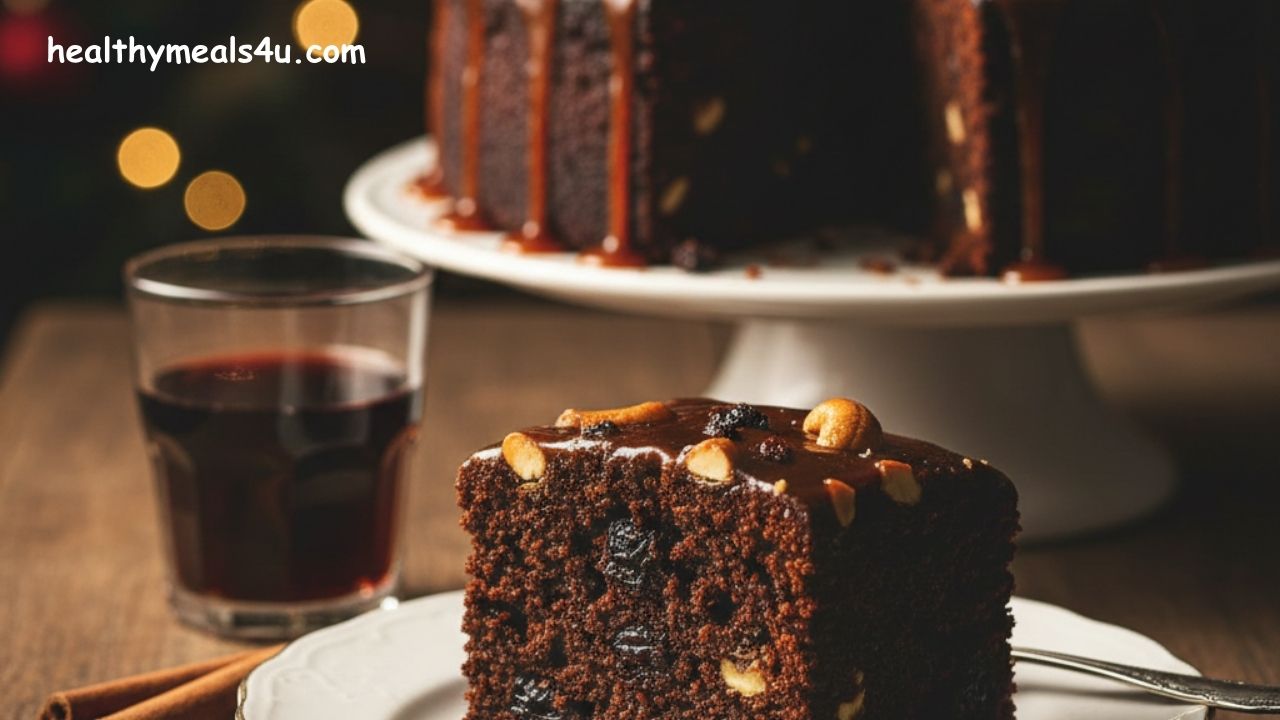
Wine Cake for Christmas – Kerala Style Festive Cake

Wine Cake for Christmas – Kerala Style Festive Cake

Prep Time 20 minutes
Cook Time 1 hour 15 minutes
Total Time 1 hour 35 minutes
Servings: 10 slices
Course: Dessert
Cuisine: Kerala Christian festive baking
Calories: 380
Ingredients
  
  • 1 cup all-purpose flour
  • 1 tsp baking powder
  • ½ tsp baking soda
  • 1 cup sugar
  • ½ cup water for caramel
  • ½ cup vegetable oil or melted butter
  • ¾ cup red grape wine
  • ½ cup chopped cashews
  • ½ cup chopped raisins
  • 1 tsp cinnamon powder
  • ½ tsp dry ginger powder
  • ¼ tsp clove powder
  • 1 tsp vanilla essence
  • A pinch of salt
Method
 
  1. Start with the caramel. Heat sugar in a pan until it melts and turns dark brown—not burnt, but very deep in colour. Carefully add water and stir until smooth.
  2. In a bowl, mix flour, baking powder, baking soda, spices, and salt.
  3. Add oil, wine, caramel syrup, and vanilla. Stir gently. The batter will look darker than most cakes—that’s normal.
  4. Fold in the cashews and raisins evenly.
  5. Pour into a lined tin and bake at 170°C for about 1 hour 15 minutes.
  6. Let the cake cool fully. Like most wine cakes, it tastes noticeably better the next day.

If you’ve grown up around Kerala Christmas baking, this cake needs no explanation. It’s dark, aromatic, and unmistakable. Unlike fruit cake, the colour and flavour here come from caramelised sugar, not soaking time.

This Wine Cake for Christmas – Kerala Style Festive Cake is bold, moist, and nostalgic. It’s often the flavour people associate most strongly with Christmas itself.

Nutrition Tips:

  • Uses less butter compared to traditional fruit cake.
  • Caramelised sugar is intense, so small portions work best.
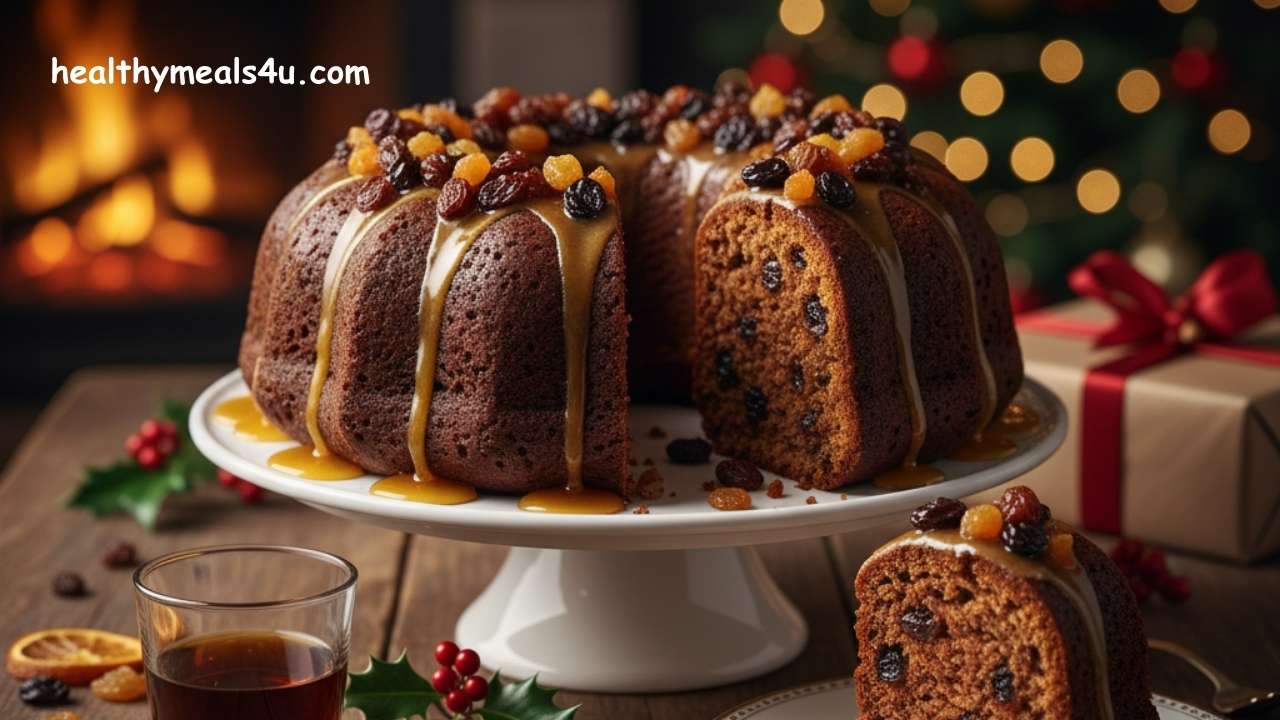
Christmas Rum Cake – Rich and Moist Traditional Cake

Christmas Rum Cake – Rich and Moist Traditional Cake

Prep Time 25 minutes
Cook Time 1 hour 30 minutes
Total Time 1 hour 55 minutes
Servings: 10 slices
Course: Dessert
Cuisine: Classic Christmas baking
Calories: 450
Ingredients
  
  • cups mixed dried fruits
  • ½ cup dark rum
  • 1 cup butter
  • 1 cup brown sugar
  • 3 eggs
  • cups all-purpose flour
  • 1 tsp baking powder
  • 1 tsp mixed spice
  • ½ tsp nutmeg
  • 1 tsp vanilla essence
  • A pinch of salt
Method
 
  1. Soak the dried fruits in rum overnight. The longer they sit, the stronger the flavour.
  2. Cream butter and brown sugar until pale and fluffy.
  3. Add eggs one at a time, mixing gently.
  4. Fold in flour, baking powder, spices, and salt.
  5. Add the soaked fruits and mix just enough to combine.
  6. Bake at 160°C for about 90 minutes.
  7. Once cooled, lightly brush the top with extra rum if you prefer a stronger finish.

This cake is not subtle. It’s rich, heavy, and meant for slow eating. If you enjoy deep flavours and don’t mind indulgence, this is the one. The Christmas Rum Cake – Rich and Moist Traditional Cake is intense and luxurious. Wrapped tightly, it keeps well and actually improves with storage.

Nutrition Tips:

  • High in calories and alcohol—best reserved for festive occasions.
  • Not meant for large servings. Understanding how alcohol behaves during baking helps with mindful portioning.
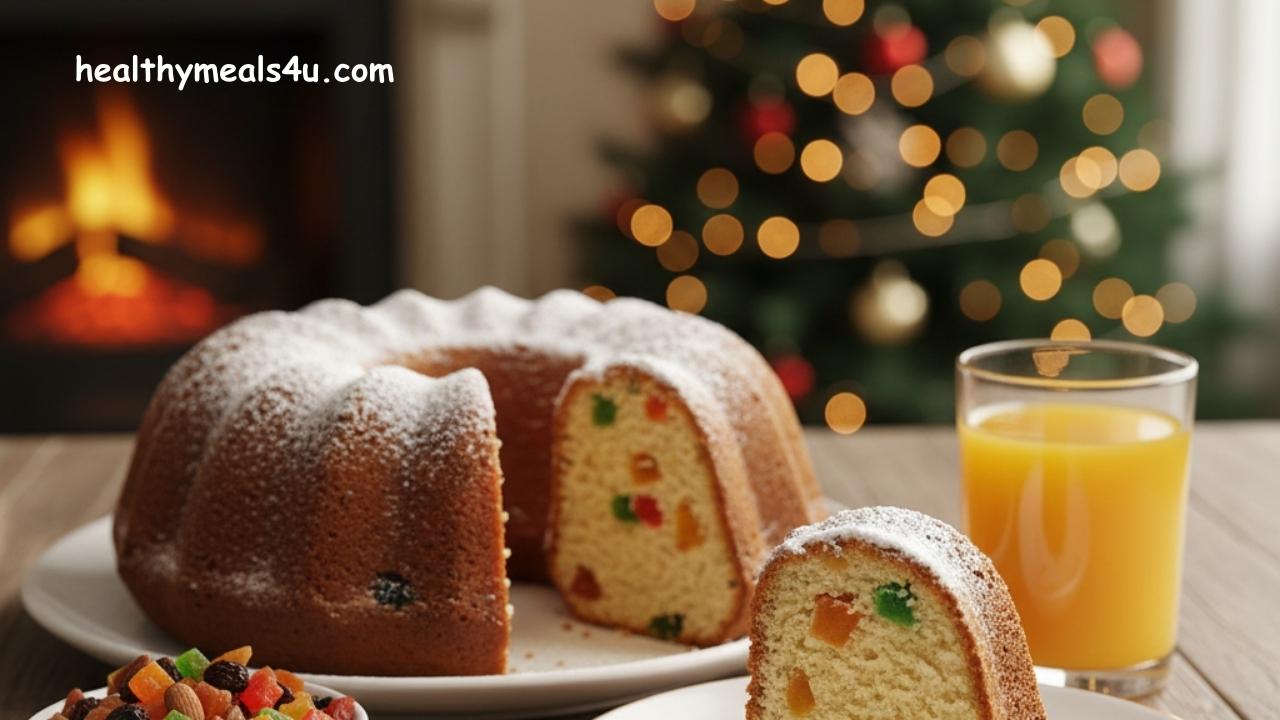
Eggless Christmas Cake – Soft, Simple and Beginner Friendly

Eggless Christmas Cake – Soft, Simple and Beginner Friendly

Prep Time 20 minutes
Cook Time 1 hour
Total Time 1 hour 20 minutes
Servings: 10 slices
Course: Dessert
Cuisine: Modern festive baking
Calories: 320
Ingredients
  
  • cups all-purpose flour
  • ¾ cup brown sugar
  • ½ cup oil
  • ¾ cup orange juice
  • ½ cup soaked dried fruits
  • 1 tsp baking soda
  • 1 tsp cinnamon
  • ½ tsp nutmeg
  • 1 tsp vanilla extract
  • A pinch of salt
Method
 
  1. Mix brown sugar, oil, orange juice, and vanilla until smooth.
  2. Sift flour, baking soda, spices, and salt into the bowl.
  3. Mix gently. Stop once combined—overmixing ruins the texture.
  4. Fold in the soaked fruits evenly.
  5. Bake at 170°C for about 1 hour.
  6. Let the cake cool completely before slicing.

This cake is proof that Christmas baking doesn’t need eggs or alcohol to feel festive. It’s lighter, softer, and far less intimidating. The Eggless Christmas Cake – Soft, Simple and Beginner Friendly is approachable, family-friendly, and ideal for first-time bakers.

Nutrition Tips:

  • Lower in calories than traditional Christmas cakes.
  • Whole wheat flour can be used to add fibre.
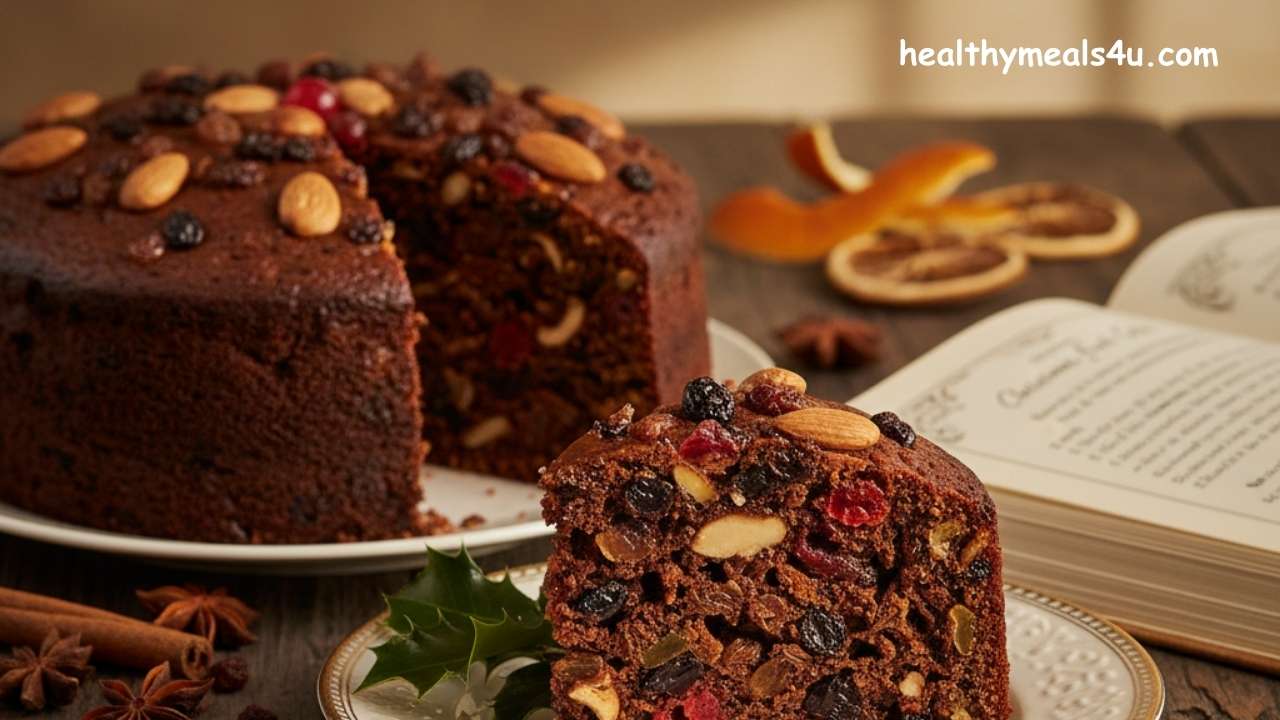
Traditional Christmas Cake Recipe – Classic Fruit Cake

Classic Fruit Cake

Prep Time 30 minutes
Cook Time 2 hours
Total Time 2 hours 30 minutes
Servings: 12 slices
Course: Dessert
Cuisine: British-inspired Christmas baking
Calories: 420
Ingredients
  
  • cups mixed dried fruits raisins, black currants, chopped dates, cherries
  • ½ cup chopped nuts cashews, almonds
  • ½ cup orange juice or rum for soaking
  • 1 cup unsalted butter softened
  • 1 cup brown sugar
  • 4 eggs room temperature
  • cups all-purpose flour
  • 1 tsp baking powder
  • 1 tsp cinnamon powder
  • ½ tsp nutmeg powder
  • ½ tsp clove powder
  • 1 tsp vanilla extract
  • Zest of one orange
  • A pinch of salt
Method
 
  1. Soak the fruits first. This step isn’t optional if you want depth. Mix the dried fruits and nuts with orange juice or rum, cover, and leave them alone for at least 24 hours. Longer soaking—up to a week—does make a difference.
  2. Line your cake tin properly. Fruit cakes burn easily. Preheat the oven to 160°C.
  3. Cream the butter and brown sugar until the mixture looks lighter and slightly fluffy. Don’t rush this—it affects the texture later.
  4. Add the eggs one at a time. If the batter looks slightly curdled, don’t panic. It usually fixes itself once flour goes in.
  5. Sift together flour, baking powder, spices, and salt. Fold this in gently. Overmixing here makes the cake tough.
  6. Stir in the soaked fruits along with any remaining liquid.
  7. Transfer to the tin and bake slowly for about 2 hours. If the top darkens too quickly, loosely cover it with foil.
  8. Cool the cake completely and let it rest overnight before slicing. The flavour settles as it rests.

This is the cake people usually mean when they say “Christmas cake.” Heavy, dark, spiced, and unapologetically rich. It’s not meant to be light. It’s meant to sit quietly for days and reward patience.

This Traditional Christmas Cake Recipe – Classic Fruit Cake is dense, mature, and improves with time. Wrapped well, it keeps for weeks and travels beautifully as a gift.

Nutrition Tips

Tips for Baking Traditional Christmas Cakes at Home

  • Bake at lower temperatures to avoid dryness.
  • Always line cake tins generously.
  • Let cakes rest overnight before cutting.
  • Wrap in parchment and foil to deepen flavour.
  • Fruit soaking is not a shortcut step—don’t rush it.

Every Traditional Christmas Cake Recipe holds more than ingredients. It holds time, patience, and a bit of mess. These four cakes come from different traditions and preferences, but they all share one thing—they aren’t rushed. Bake whichever one fits your home, your people, and your pace. Christmas cakes aren’t about perfection. They’re about care, slowly baked and quietly shared.

FAQ

If you’re new to Christmas baking, the Eggless Christmas Cake – Soft, Simple and Beginner Friendly is the best traditional Christmas cake recipe to begin with. It skips eggs, alcohol, and long fruit-soaking, yet still brings out those warm, festive flavours we all love. The method is straightforward, the baking time is shorter, and the batter is quite forgiving—so even if your measurements aren’t perfectly precise, the cake still turns out well.

In a classic traditional Christmas cake recipe, dried fruits are usually soaked for a minimum of 24 hours in rum or orange juice. That said, soaking them for 3–7 days allows the flavours to deepen and the fruits to soften beautifully. The longer the soak, the richer the aroma and moisture of the cake—this single step makes a noticeable difference to both taste and texture.

Wine Cake for Christmas – Kerala Style Festive Cake stands apart because its dark colour and bold flavour come from caramelised sugar and red grape wine rather than long-soaked fruits. Unlike traditional fruitcakes, it doesn’t demand days of preparation and actually tastes better the very next day. Deeply rooted in Kerala’s Christmas traditions, this cake has a lighter crumb and a nostalgic charm that many grew up with.

Once your traditional Christmas cake recipe has cooled completely, wrap it snugly in parchment paper followed by foil. Store it in a cool, dry spot. Fruit cakes and rum cakes keep well for 2–3 weeks, and brushing the cake lightly with rum every few days helps maintain moisture and enhance flavour. Refrigeration isn’t necessary unless the weather is extremely warm.

Yes, traditional Christmas cake recipes can be made slightly healthier without compromising on flavour. You can keep portions smaller, add more nuts for healthy fats, or reduce refined sugar where possible. Eggless Christmas cakes are naturally lighter, and swapping in whole wheat flour adds fibre. Still, moderation matters more than substitutions—Christmas cakes are meant to be savoured, not restricted.

Leave a Reply